Buying your first home in Amesbury can feel both exciting and overwhelming. You want value, a neighborhood that fits your lifestyle, and a smart plan for today’s market. This guide breaks down where your dollars tend to go furthest, what property types to consider, and how to navigate commuting, costs, and financing programs that can stretch your budget. Let’s dive in.
Amesbury market at a glance
Amesbury’s market has been active and competitive, especially for well-priced starter homes. The median sale price was about $509,500 in January 2026 according to Redfin. Inventory has been limited at times, with late 2025 snapshots showing roughly 30 to 32 active listings, so it helps to be prepared to move quickly when the right home appears. For a broader look at how Amesbury stacks up against a neighboring market, see our comparison of Amesbury vs. Newburyport.
For first-time buyers, “starter” options typically include smaller condos or mill conversions, older worker cottages and compact Cape-style homes that may need updates, modest ranches near the Route 110 corridor, and at times owner-occupied two-family properties. Each option has tradeoffs on maintenance, location, and monthly costs. The sections below outline where to focus and how to plan.
Where your dollar goes further
Mount Washington
Mount Washington is commonly listed among Amesbury’s more affordable areas. You’ll often find modest single-family homes, small ranches, and older properties that have good bones. For many first-time buyers, this neighborhood offers a chance to buy a house below the citywide median.
- Why it works: lower entry prices and proximity to key commuter routes.
- What to watch: many homes are older, so budget for inspection items like insulation, windows, roofs, and possible electric or plumbing upgrades.
Route 110 and Carriagetown corridor
Along Route 110, you'll see newer subdivisions and convenient access to shopping and services. Newer homes and single-level layouts can reduce immediate maintenance needs and appeal to buyers who want move-in-ready living. Explore local highlights and area context in our practical guide to Amesbury neighborhoods for buyers.
- Why it works: newer systems, functional floor plans, easy highway access, and nearby shops.
- What to watch: some pockets are car-dependent and newer builds can carry a price premium over older cottages.
Downtown and the Millyard
Downtown Amesbury and the Millyard area offer walkability, restaurants, and mill-conversion condos in various sizes and finishes. The Riverwalk and nearby attractions make this a convenient, vibrant home base. Get a feel for area amenities and downtown highlights in our local round-up of Amesbury attractions and the Riverwalk. For a deeper look at condo options in the area, read our guide to condo and townhome living in Amesbury.
- Why it works: walkable lifestyle, often lower exterior maintenance if you choose a condo, and easy access to dining and services.
- What to watch: homeowners association (HOA) fees, special assessments, and financing requirements for certain condo buildings. Review budgets and meeting minutes before you commit.
South Amesbury and the Highlands
These residential pockets mix older single-family homes with newer infill and access to parks and green space. Streets and pricing can vary, so it pays to compare recent sales nearby and evaluate each property on its own merits.
- Why it works: established neighborhoods and a range of home styles.
- What to watch: competition can be strong for updated homes when inventory is tight.
Waterfront and Salisbury Point
Waterfront areas like Salisbury Point and other premium pockets usually sit above typical first-time budgets. They offer a strong lifestyle draw and scenic settings but often come with higher purchase prices and potential insurance considerations. Learn what to expect in our guide to waterfront and lake living in Amesbury.
- Why it works: standout settings and desirable waterfront living.
- What to watch: price points frequently exceed starter budgets and flood-related insurance can affect carrying costs.
What you can buy as a first-time buyer
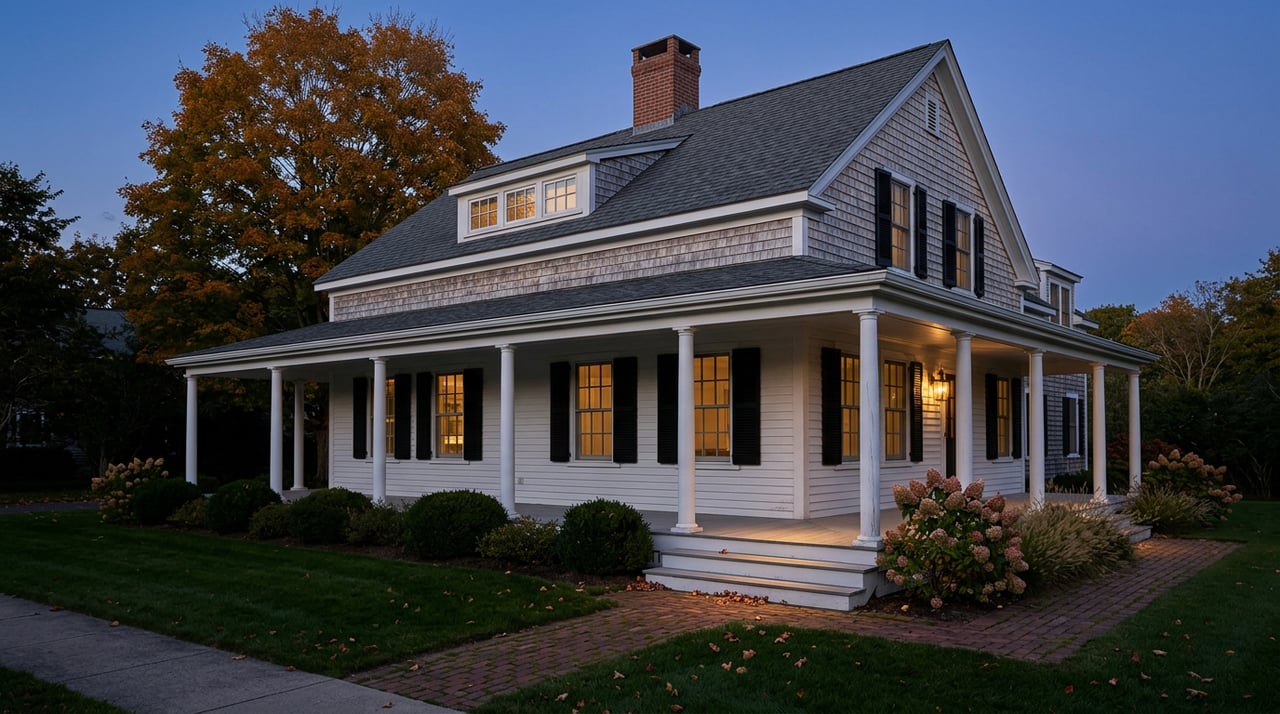
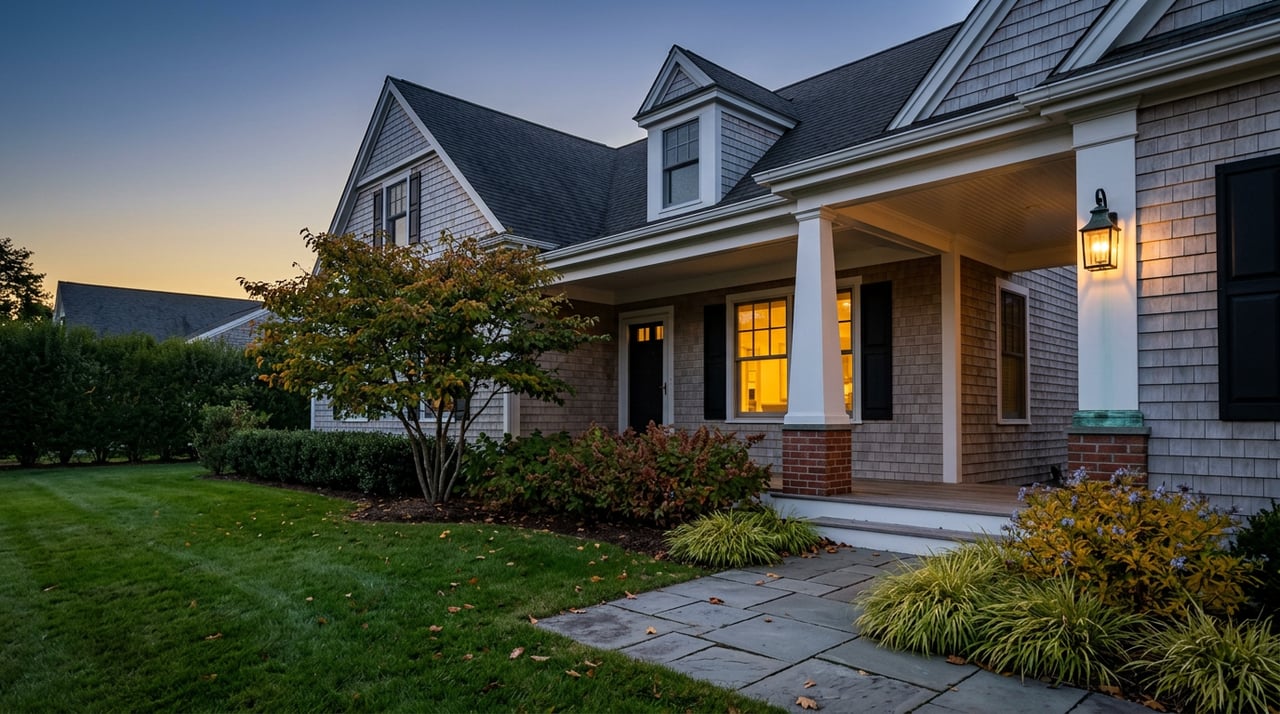
Older cottages and small Capes
These homes are common near older street grids and downtown. They can be the most budget-friendly way to enter the single-family market.
- Pros: lower purchase price, character, and potential to add value with updates.
- Cons: expect system upgrades, insulation improvements, older heating fuel types, and electrical updates. Budget for inspection items. Our post on historic homes and mill lofts in Amesbury covers the charm and considerations of older housing stock.
Mill condos and small condo buildings
Mill conversions provide classic brick-and-beam character with many exterior tasks handled by the HOA.
- Pros: lower exterior maintenance and a walkable, downtown lifestyle.
- Cons: HOA dues and possible special assessments. Lender requirements can be more specific for certain condo projects, so read documents carefully.
Ranches and newer builds
Ranches and newer homes, especially around Route 110, offer modern layouts and updated systems that can reduce immediate repair needs.
- Pros: turnkey living and contemporary floor plans.
- Cons: typically priced above the oldest cottages but often below premium waterfront areas.
Owner-occupied two-family properties
Buying a small multifamily can offset monthly costs with rental income. Many first-time buyers consider this path to build equity while keeping cash flow manageable. If you're evaluating the investment angle, our breakdown of cap rate vs. cash-on-cash returns can help you run the numbers.
- Pros: rental income can help you qualify and manage payments.
- Cons: evaluate market rents, occupancy rules, and property condition. You are responsible for landlord duties and compliance.
Commute, transit, and everyday costs
Amesbury is primarily car-oriented, but regional transit can help. MeVa Transit connects the Nicholas J. Costello Transportation Center in Amesbury to the MBTA Newburyport Commuter Rail station. Many residents drive to the Newburyport station or use the MeVa bus plus the train to reach Boston. Typical Newburyport-to-North Station train times are about 55 to 70 minutes depending on the train. Check the latest schedules on the MeVa Amesbury–Costello route page. If you work from home part of the week and only commute occasionally, see why Amesbury works for remote and hybrid workers.
Schools are a personal decision. Public ratings vary across common sites and can change over time, so it’s best to review current data and confirm boundaries directly. You can explore district information and school details at GreatSchools’ Amesbury page.
Safety data from public aggregators commonly show Amesbury’s property and violent crime rates below national averages, though conditions vary by block. Review current statistics and trends at CrimeExplorer’s Amesbury overview.
Beyond your mortgage, plan for carrying costs. These include Amesbury property taxes, homeowners insurance, potential flood insurance for river or lakeside lots, HOA dues if you buy a condo, and utilities that may vary between oil and gas systems. For current tax rates and assessments, visit the city’s Assessor’s Office page.
Financing help that can stretch your budget
MassHousing’s Down Payment Assistance (DPA) program can provide up to $25,000 to $30,000 in assistance for qualifying buyers when paired with a MassHousing first mortgage. Eligible property types include single-family homes, condos, and owner-occupied 2 to 4 unit properties. Borrower education is typically required. Review current program terms and income limits at MassHousing’s DPA page. For a side-by-side look at state programs, our guide to first-time buyer programs in MA vs. NH covers additional options.
If you think DPA could help, talk to a lender experienced with MassHousing. The right financing structure can meaningfully expand your options in Amesbury’s price range and help you compete confidently.
How to compete and buy with confidence
Use this simple plan to get ready:
- Get preapproved early with a local lender who understands MassHousing if you plan to use DPA.
- Build a monthly budget that includes taxes, insurance, utilities, and a maintenance reserve. If buying a condo, factor in HOA dues.
- Focus your search on two or three neighborhoods that fit your lifestyle and commute, then tour new listings quickly. Browse Amesbury, MA homes for sale to see what is on the market right now.
- Expect older homes to need updates. Order a thorough inspection and price out near-term repairs.
- For condos, read HOA budgets and recent meeting minutes. Ask about assessments and owner-occupancy ratios.
- Prepare a clean, well-documented offer. In tight inventory markets, speed, clarity, and strong terms can make the difference.
Ready to start your Amesbury search?
If you want a data-driven plan for neighborhoods, financing options, and a step-by-step path to a winning offer, we're here to help. Reach out to The Barnes Team for local guidance, on-the-ground property intel, and a first-time buyer strategy tailored to you. Get your instant home valuation or explore our buyer's guide to start planning.
FAQs
What is a realistic starter budget in Amesbury in 2026?
- Redfin reported a median sale price of about $509,500 in January 2026. Many first-time buyers target modest condos, older cottages, or smaller ranches below the citywide median, then adjust based on condition and location.
Which Amesbury areas are most affordable for first-time buyers?
- Mount Washington often shows below-median pricing, and select downtown mill condos can be entry points depending on building and unit size. Parts of the Route 110 corridor also offer options, though newer homes can price higher than older cottages.
How can I commute to Boston from Amesbury without driving the whole way?
- Use MeVa Transit from the Nicholas J. Costello Transportation Center to the MBTA Newburyport station, then take the commuter rail to North Station. Typical train times run about 55 to 70 minutes. See the MeVa route page for current schedules.
Can I use down payment assistance to buy a two-family in Amesbury?
- Yes, MassHousing’s DPA can apply to owner-occupied 2 to 4 unit properties when paired with a MassHousing first mortgage and subject to eligibility. Review terms at MassHousing’s DPA page.
What ongoing costs should I plan for beyond the mortgage?
- Include property taxes, homeowners and possible flood insurance, utilities, routine maintenance, and HOA dues if you buy a condo. For tax rates and assessments, see the city’s Assessor’s Office page.