You want low-maintenance living, walkable charm, and smart value. In Amesbury, condos and townhomes deliver all three, but the options vary widely by building style, age, and amenities. If you understand how each property type works, what the monthly costs include, and how to read the association’s documents, you can buy with confidence. This guide breaks it all down and gives you a clear checklist to use on your next tour. Let’s dive in.
Amesbury condo and townhome options
Mill conversions and downtown lofts
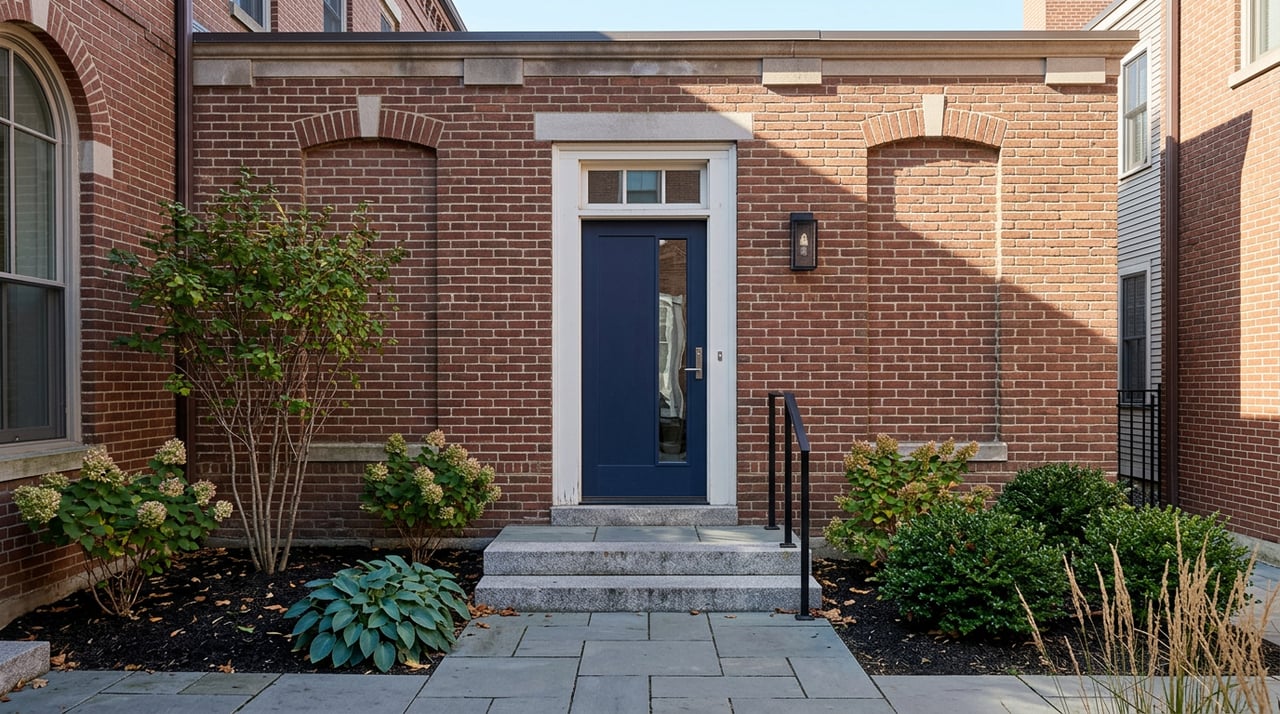
Converted mill buildings near the Powwow River and downtown give you brick walls, tall windows, and that loft character many buyers love. At Riverwalk Amesbury, you’ll see classic mill architecture with a walk-to-downtown location that puts restaurants, shops, and the riverfront close by. Nearby, Mill 77 highlights the area’s adaptive-reuse energy and mixed-use feel.
What to expect: units can range from compact studios to larger one- and two-bed layouts. Some buildings are rental, others are condominiums, and some are mixed-use. Association fees and what they cover depend on the building’s systems and services.
Garden-style condo complexes
Amesbury has several 1970s–1980s garden communities clustered around shared amenities like a pool or clubhouse. Examples include Brown Ave, Clarks Rd, and Birchwood Point. These buildings often offer efficient one- and two-bedroom plans. Many studios and smaller one-bed units fall roughly in the 300–700 sq ft range, while larger two-bed layouts can reach about 1,100–1,300 sq ft. Recent examples show smaller units trading roughly in the 180,000 to 320,000 range, depending on size, condition, and location within the complex.
Association fees vary by what’s included. Some communities include heat or hot water, plus water, sewer, master insurance, grounds care, snow removal, trash, and reserve contributions. Fees sampled locally range from about 180 per month on the low end up to 450 or more per month in larger or more amenitized settings. One Birchwood Point example shows an HOA of 332 per month.
Waterfront townhouses and marina-adjacent homes
Townhouse-style units along the Merrimack and near marinas emphasize outdoor living with decks and river views. Hatter’s Point and the Merrimac St corridor are representative. These homes often command a higher price per square foot. You should also factor in potential flood exposure and specialized insurance needs. Ask early about flood zones, the master policy’s flood coverage, and master deductibles.
Newer single-family–style townhomes
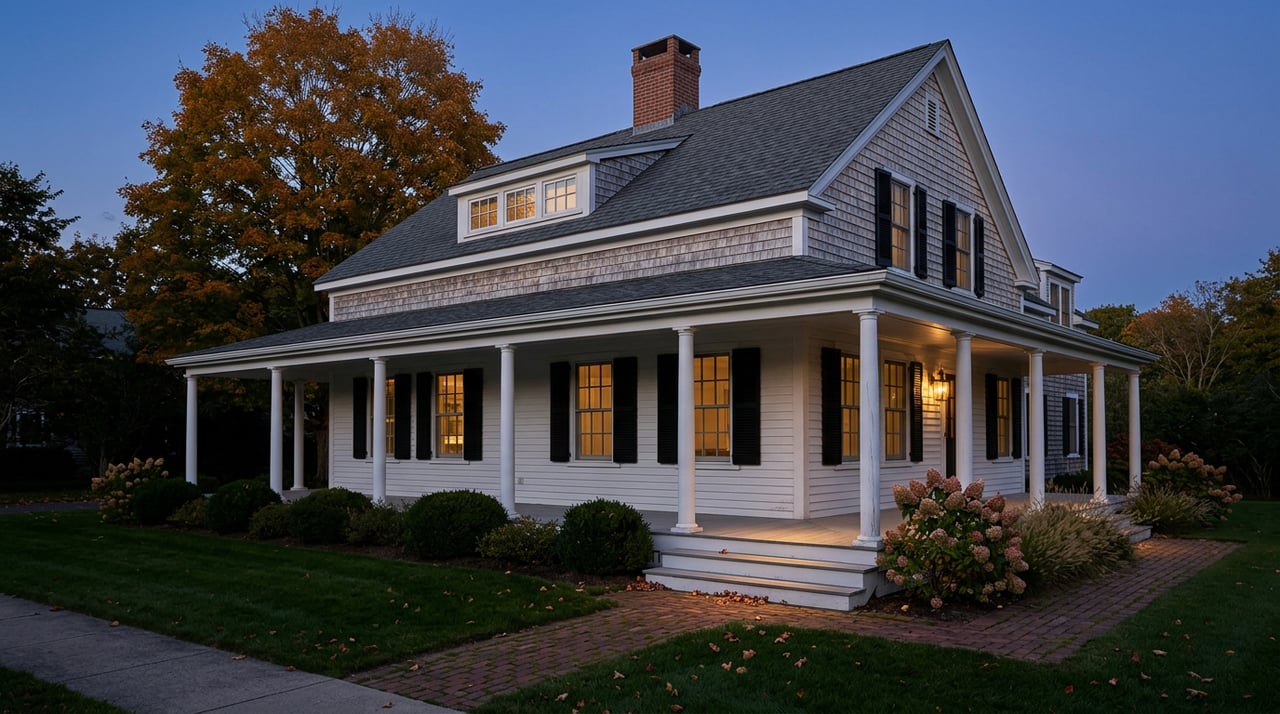
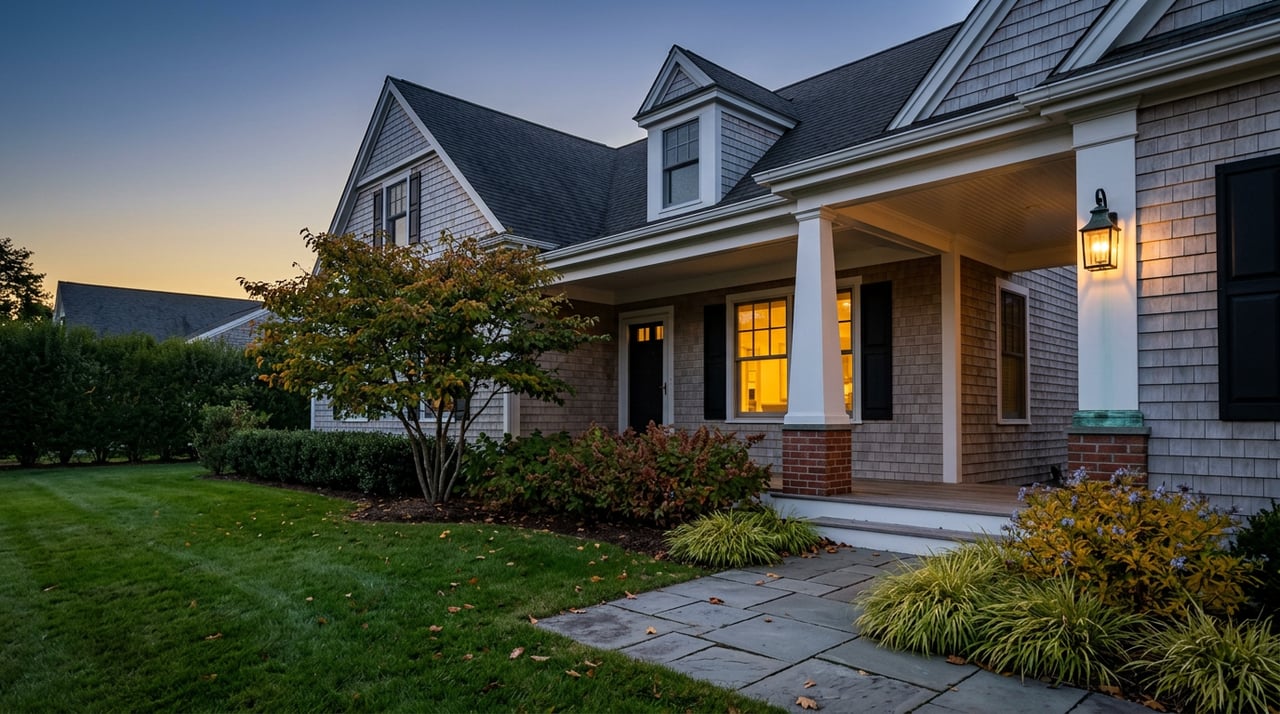
Recent townhome communities and infill clusters, such as those on Cutter Ln, Stanhope Way, and Pamela Ln, deliver modern layouts, higher square footage, and attached garages. It’s common to see 1,200 to 2,200-plus sq ft across multi-level plans with open kitchens and primary suites. HOA fees can trend higher if the association funds road maintenance, landscaping, snow removal, and exterior upkeep.
What will my monthly cost be?
To budget for a condo or townhome, build your monthly number step by step:
- Mortgage principal and interest: based on your loan size and rate from your lender.
- Property taxes: use the current bill for the unit.
- HO-6 policy: your condo unit owner’s insurance and loss assessment coverage.
- HOA or condo fee: the association’s monthly fee.
- Utilities and parking: anything not covered by the HOA.
Here’s a simple local example using real fee and tax figures:
- HOA: 332 per month at a Birchwood Point example equals 3,984 per year.
- Property taxes: a recent Amesbury condo tax bill of 3,023 per year equals about 252 per month.
- Non-mortgage monthly base: 332 + 252 = 584 per month, plus your HO-6 premium, utilities, and any parking or storage fees.
Always verify taxes and timing on the Amesbury Assessor page, then add your lender’s estimated principal and interest to complete the picture.
How condo ownership works in Massachusetts
Massachusetts condominiums are governed by the Condominium Act, M.G.L. c.183A. The master deed, unit deeds, floor plans, and by-laws define your ownership boundaries, limited common elements, expense shares, and how the association is run. Before you make an offer, read these documents so you know what you own, what you pay for, and how decisions get made.
Budgets, reserves, and assessments matter. The association’s annual budget determines monthly fees and reserve contributions, and special assessments can be levied when reserves are insufficient. The state’s consumer guidance explains these concepts and what documents to request in plain language. Review the Massachusetts overview of condominiums for a helpful primer.
At closing, buyers and lenders typically require evidence that the seller is current on common charges and that there are no unpaid assessments. In local practice, this shows up as certification regarding the unit’s fee status, often discussed alongside the “6(d)” certificate and estoppel disclosures. The state summary above outlines these items and why they matter.
What to request and how to read it
Use this due-diligence checklist to see how healthy the association is and what you’re buying into:
- Master Deed and amendments: defines unit boundaries, common and limited common elements, and percentage interests. See the statute for what must be included under M.G.L. c.183A.
- By-laws or Trust agreement: governance, board powers, meeting rules, and voting procedures. These drive how decisions get made and how quickly projects move.
- Current-year budget: confirm what your fee covers (heat or hot water if included, water/sewer, master insurance, snow, trash, landscaping, reserve line item). The Massachusetts guidance explains typical budget components.
- Financials and bank statements: verify reserve balances and operating cash. Ask if the financials are audited or compiled and whether owners voted to adopt the current budget.
- Reserve study and engineering reports: look for a formal reserve study or recent reports on roof, siding, decks, elevators, mechanicals, and foundations. No study can be a caution sign.
- Board meeting minutes (12–24 months): scan for planned capital projects, deferred maintenance, vendor changes, and any litigation.
- Insurance certificate and master policy summary: confirm policy type (bare-walls, single-entity, or all-in), coverage limits, and deductibles. This informs how you set your HO-6 policy; see this consumer guide to HO-6 condo insurance.
- Litigation and disclosures: request documentation on any active lawsuits. Litigation can block financing or lead to special assessments.
- Delinquency and assessments: ask for unit owner delinquency rates and a history of recent special assessments. High delinquency is a red flag for cash flow.
- Management contract: understand whether a professional firm or a volunteer board runs the community and the terms of their agreement.
- Condo questionnaire or estoppel: lenders usually require a project questionnaire verifying occupancy mix, rental rules, reserves, assessments, and insurance. Many lenders reference Fannie Mae’s project standards and tools like Condo Project Manager.
Trade-offs vs single-family homes
- Lower maintenance: exterior, landscaping, and snow removal are usually handled by the association, which can free your time and stabilize some costs.
- Potentially lower entry price: especially in garden-style complexes and smaller units, the purchase price may be below that of a comparable single-family in town.
- Predictable upkeep vs HOA fees: monthly fees add up, and special assessments can occur. A strong reserve plan helps smooth long-term costs.
- Rules and restrictions: pet policies, rental limits, and renovation guidelines vary. Read them before you commit.
Red flags and when to pause
- Low or no reserves: thin savings can mean future special assessments.
- Repeated or large assessments: frequent levies suggest a mismatch between fees and actual maintenance needs.
- High delinquency: too many owners behind on fees stress the budget and can affect financing eligibility.
- Major unresolved structural issues: roofs, decks, elevators, or envelope problems without a funded plan.
- Insurance gaps or very large deductibles: can shift significant cost to owners after a loss.
- Developer control or unfinished phases: governance and budgets can change once control transitions.
Insurance and local risks to check
Your coverage works in tandem with the association’s master policy. The master can be bare-walls (studs-out), single-entity, or all-in. Your HO-6 should fill the gaps by covering interior finishes, personal property, liability, loss of use, and often loss assessment; review this HO-6 overview and align your coverage with the master policy type.
If you are considering riverfront or marsh-adjacent homes, review FEMA flood maps and ask whether the master policy includes flood insurance and at what deductible. Start with FEMA mapping resources and request association documentation on any flood coverage carried for common elements. You can explore federal flood map guidance through FEMA’s public resources aggregated here, then verify building-specific details with the association.
Financing and project approval
Condominium loans often require a project review. Your lender will verify occupancy mix, reserves, insurance, litigation, and other factors to determine eligibility under conventional guidelines. Some lenders use Fannie Mae’s standards and tools such as Condo Project Manager to evaluate projects. If a building does not meet an agency’s criteria, you may still be able to finance with a different loan type, but costs could be higher. Ask your lender early whether the building is approved and what documentation they will need.
The bottom line
Amesbury offers a full spectrum of condo and townhome living, from downtown mill lofts to newer garage townhomes and serene waterfront settings. The key is to match the property type to your lifestyle and budget, then verify the association’s health with documents that tell the full story. If you want a second set of eyes on fees, reserves, and financing paths, our team is here to help you move forward with clarity.
Ready to see what fits you best or to request the right documents from a seller? Connect with The Barnes Team for local guidance, data-backed strategy, and on-the-ground support in Amesbury and across the North Shore.
FAQs
What condo styles exist in Amesbury, MA?
- You’ll find historic mill conversions near downtown, 1970s–1980s garden-style complexes, marina-adjacent and waterfront townhouses, and newer garage townhome communities.
How much are HOA fees in Amesbury condos?
- Sampled local fees commonly range from about 180 to 450-plus per month, depending on building age, amenities, and included utilities like heat or hot water.
How do Massachusetts condo rules affect me as a buyer?
- Under M.G.L. c.183A, your master deed and by-laws define ownership boundaries, expense shares, governance, and your obligations to the association.
What documents should I review before buying an Amesbury condo?
- Request the master deed and amendments, by-laws/trust, current budget, financials and reserve study, minutes, insurance certificate, litigation disclosures, delinquency figures, management contract, and the lender’s condo questionnaire.
Can I use a conventional loan for an Amesbury condo?
- Often yes, but your lender must review the project for eligibility; tools like Condo Project Manager help lenders verify reserves, insurance, occupancy, and other criteria.
Do Amesbury waterfront townhomes require flood insurance?
- Many riverfront locations carry flood considerations; check FEMA flood maps, ask if the master policy includes flood coverage, and confirm master deductibles before you buy.