You picture your morning coffee with a glassy lake view or sunsets over a broad river. If Amesbury is on your list, you have great options on the Merrimack River, Lake Gardner, and several neighborhood ponds. In this guide, you will learn the lifestyle differences, what to expect during due diligence, and how to plan for flood insurance, permits, and maintenance. Let’s dive in.
Amesbury waterfront options at a glance
Amesbury sits along the Merrimack River with smaller lakes and ponds nearby, including Lake Gardner. Each water type offers a different feel, set of activities, and ownership considerations.
Merrimack River: big-water views and energy
On the Merrimack, you get wide vistas and a dynamic setting that changes with tides and river flows. You will see paddlers, anglers, and seasonal boat traffic in some areas, along with walking paths and historic mill complexes. The riverfront can include single-family homes, condos in converted mills, and properties near public access points. For context on the river’s regional scale, see general information on the Merrimack River.
Lake Gardner and neighborhood ponds: calm and close to nature
Smaller inland waterbodies tend to feel quieter day to day. They suit kayaking, paddleboarding, and seasonal swimming where water quality allows. Shorelines often feature single-family homes or cottages, with some private docks and limited public access points. Summer weekends can be more active, while spring and fall bring calmer water and foliage views.
Mill conversions and riverwalk-adjacent living
Near historic mill sites, you may find loft-style condos with river views. Some properties sit by parks or trails, which can add convenience and a social scene. If you enjoy people watching and easy access to amenities, this setting can balance privacy with community.
Home types you will see
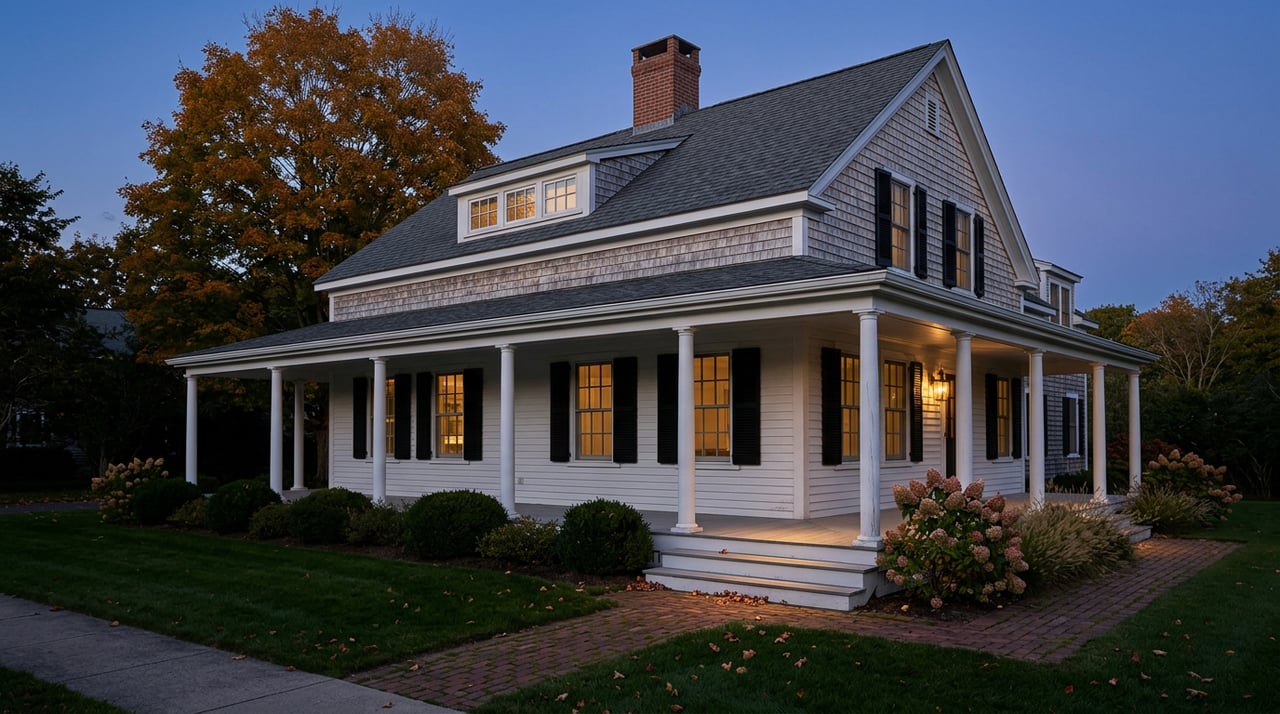
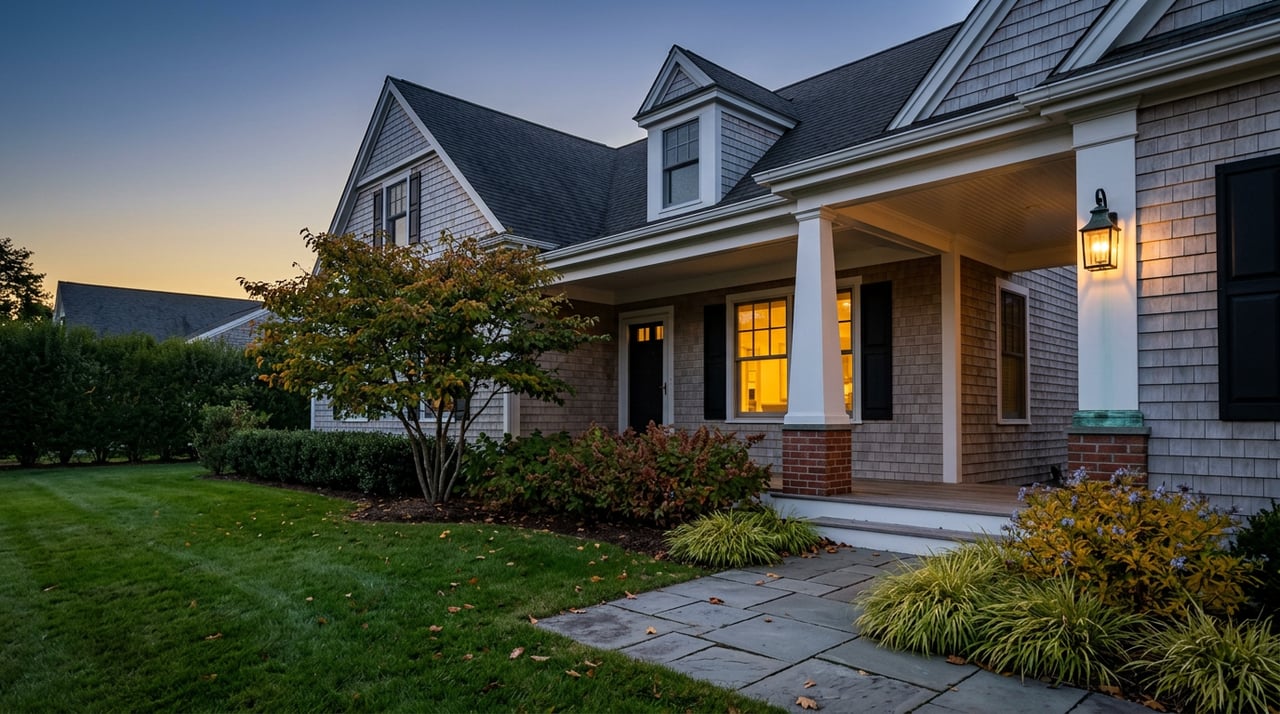
- Historic New England homes with direct frontage or water views.
- Mill conversions and loft-style condos facing the river.
- Modern single-family homes that maximize views and may include flood-mitigation features.
- Seasonal or former seasonal cottages around ponds, some now winterized for year-round living.
- Limited small multi-family or condo properties in select pockets.
Waterfront homes often command a premium and come to market less often. If you want a specific feature, such as a permitted dock or a particular view corridor, plan for a longer search and be ready to move quickly when the right home appears.
Lifestyle tradeoffs: river vs. lake/pond
- River settings feel expansive and active. You get long paddles, varied scenery, and nearby parks and trails. You also may hear occasional motorboat activity and see more public use near launches or riverwalks.
- Lake and pond living is intimate and calm. Expect easy access for SUPs and kayaks, low wake, and neighborhood-level activity that intensifies on sunny weekends.
- All waterfront is shared by nature. Ice, storms, and seasonal changes affect every shoreline. Plan for routine maintenance and thoughtful stewardship.
What to check before you buy
Flood zones and insurance
Start with flood risk. Use the FEMA Flood Map Service Center to see if a property lies in a Special Flood Hazard Area. If the home is in or near a mapped zone, ask for an elevation certificate and obtain early quotes. For consumer guidance on coverage and costs, review FloodSmart’s NFIP resources. Even homes outside mapped zones can carry risk, so many buyers choose coverage for peace of mind.
Permits, wetlands, and Chapter 91
In Massachusetts, work near rivers, ponds, and wetlands often requires permits. Contact the Town of Amesbury Conservation Commission and Building Department early to confirm what is allowed. Shoreline changes, additions, and docks typically need review under the state Wetlands Protection Act, with oversight from the Massachusetts Department of Environmental Protection. On tidal or navigable waters, review the state’s Chapter 91 waterways program to determine if tidelands or dock structures trigger additional approvals.
Septic, sewer, and utilities
Many older waterfront homes rely on septic systems subject to strict standards near water. Ask for the septic inspection and confirm Title V compliance. Verify whether municipal sewer is available and where utilities are located. Look for elevated or protected mechanicals in flood-prone areas.
Shoreline stability and dock condition
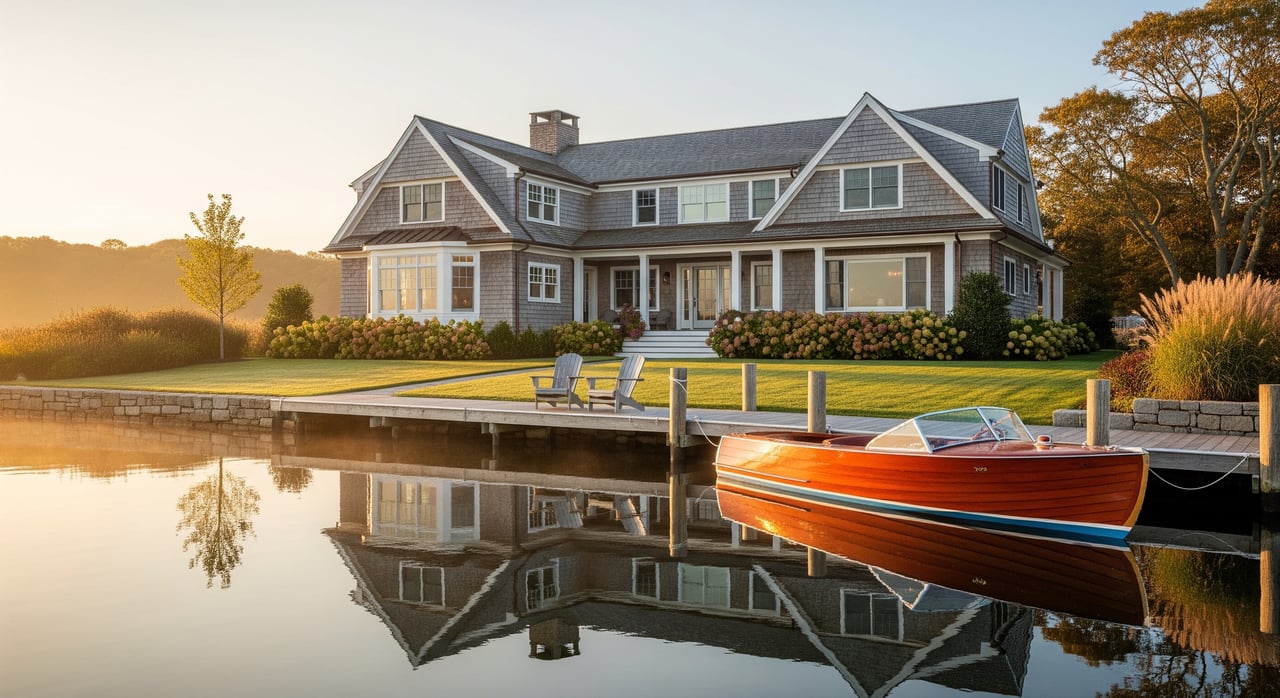
Erosion, ice, and storms can shift shorelines and stress structures. If a property includes a dock, inspect for rot, fastener corrosion, and safe access. Understand the maintenance history and whether the dock is permitted and transferable.
Inspections tailored to waterfront homes
Hire inspectors who know waterfront construction. Ask them to assess the foundation, bulkheads or riprap, flood vents, exterior drainage, and any shoreline structures. Consider a marine contractor for dock or bulkhead evaluations.
Seasonal and environmental factors
Shallow ponds can warm in summer and may experience algal blooms. Check current water-quality resources through state agencies like MassWildlife. On the river, flows and tides change conditions; for broader river context, consult USGS Water Data. In winter, ice can damage docks and walls, and freeze-thaw cycles affect landscaping and masonry.
Access, rights, and associations
Owning to the water’s edge does not always mean exclusive control. Confirm deeded rights, recorded easements, and any shared access or association rules. Clarify mooring or dock rights and what is included in the sale.
A buyer’s due diligence checklist
- Confirm parcel boundaries, shorefront lines, and any easements with a recent survey and deed review.
- Check FEMA flood maps and, if applicable, obtain an elevation certificate and preliminary flood insurance quotes.
- Ask the seller for flood and insurance claim history.
- Request septic inspection reports and Title V status; verify any seasonal-use restrictions.
- Gather permits and final sign-offs for docks, bulkheads, additions, and shoreline work.
- Consult the Town of Amesbury Conservation Commission on buffer zones and wetlands.
- Verify dock and mooring rights, permit status, and transferability; confirm any shared access agreements in writing.
- Order specialized inspections for foundation, shoreline stabilization, docks, and utilities.
- Confirm location and protection of mechanicals, fuel tanks, and electrical panels.
- Get homeowner and flood insurance estimates early to avoid surprises.
- Before closing, confirm there are no open permits, outstanding conditions, or conservation enforcement actions.
- Document any shared maintenance obligations and associated costs.
Costs and resale: plan ahead
Waterfront ownership can include higher ongoing costs. Budget for flood insurance, shoreline upkeep, specialized inspections, and possible association fees for shared access. Properties with documented mitigation steps, recent permitted work, and clear records are easier to insure and to resell. Keep a digital file of elevation certificates, permits, and maintenance logs to support value down the road.
How The Barnes Team helps
You deserve clear guidance and a calm, data-informed process. Our approach is practical and local, with a focus on protecting your timeline and budget.
- Neighborhood fit: We help you compare river vs. lake lifestyles and zero in on the right pocket for how you live.
- Risk clarity: We coordinate early flood-zone review, elevation certificates, and insurance estimates so you can make confident offers.
- Permit readiness: We assist in gathering permits and connecting you with local officials and reputable contractors.
- Waterfront-savvy inspections: We recommend inspectors and specialists who understand foundations, docks, and shoreline structures.
- Offer and negotiation strategy: We shape terms that reflect risk, contingencies, and your priorities.
- For sellers: We pair premium presentation with targeted positioning, including cinematic video, drone, and 3D floor plans that showcase water, light, and setting.
Thinking about a move on the Merrimack, Lake Gardner, or a quiet neighborhood pond? Reach out to The Barnes Team for a focused plan and a smooth path to the water.
FAQs
What is the first step to assess flood risk for an Amesbury waterfront home?
- Start with the FEMA Flood Map Service Center for the property’s zone, then obtain an elevation certificate and early quotes from an insurance agent.
How do permits work for docks or shoreline changes in Amesbury?
- Contact the Town of Amesbury Conservation Commission and Building Department, and review state rules with the Massachusetts DEP and Chapter 91 waterways program.
Do I need flood insurance if the home is not in a mapped flood zone?
- It depends on your risk tolerance; some buyers purchase coverage voluntarily, and FloodSmart explains options and costs.
What inspections are most important for waterfront properties?
- In addition to a general home inspection, consider specialists for foundation, bulkheads or riprap, docks, septic systems, and utilities location and protection.
Are there special rules for boats on Amesbury ponds?
- Rules vary by waterbody; check local bylaws and any posted restrictions through the town or harbormaster before assuming boat types are allowed.
How can I verify water quality or seasonal conditions?
- State resources like MassWildlife and broader river context from USGS Water Data help you track conditions and plan use.
What documents should I keep for future resale of a waterfront home?
- Maintain elevation certificates, flood-insurance records, permitted dock or shoreline work, septic reports, and any shared access agreements.