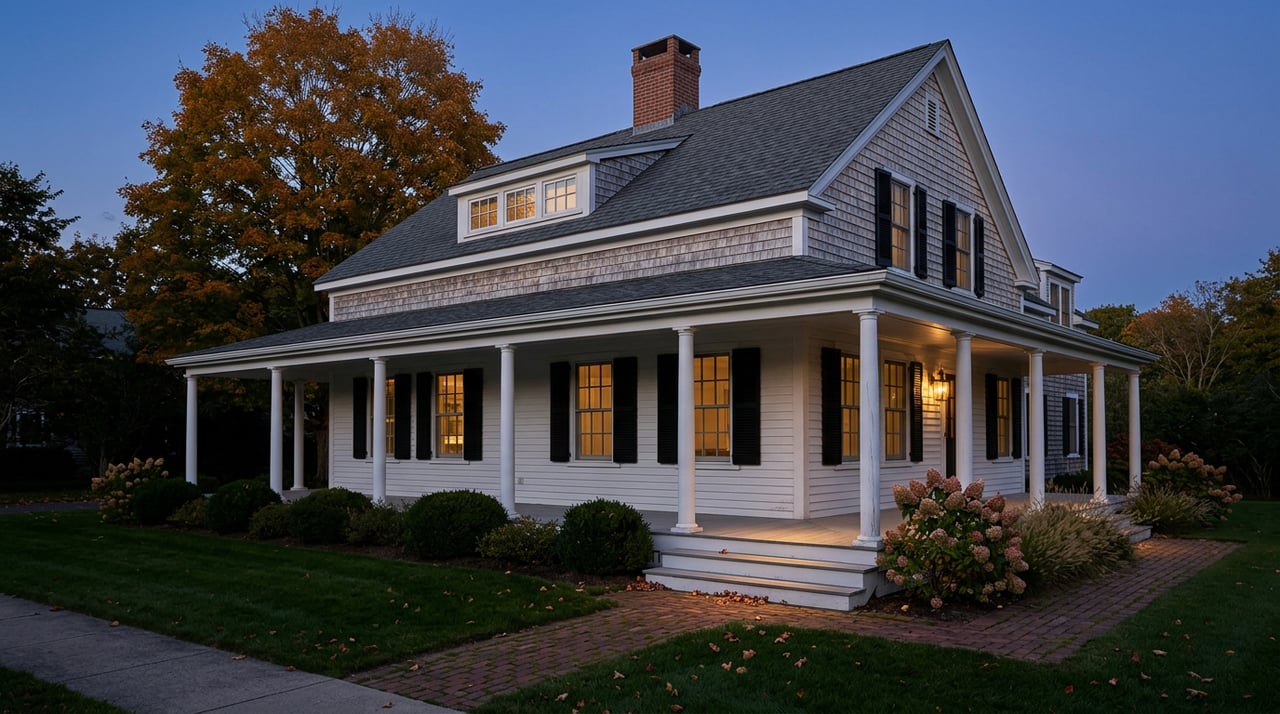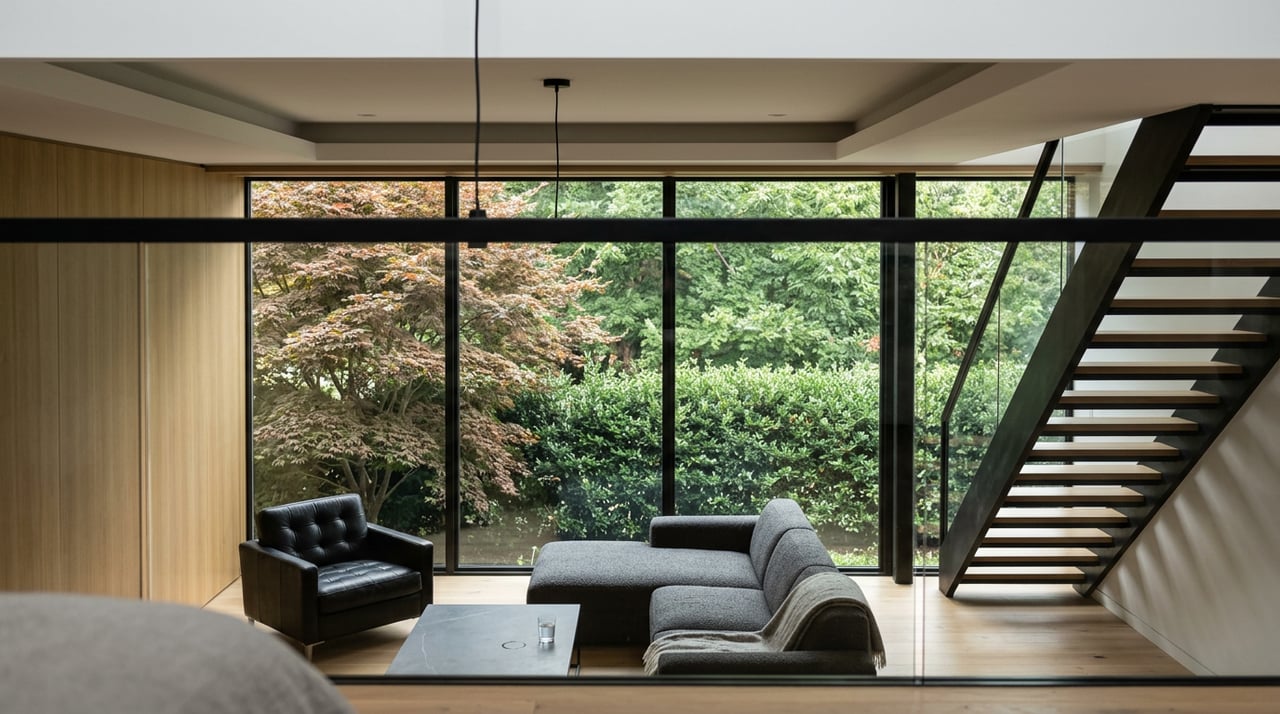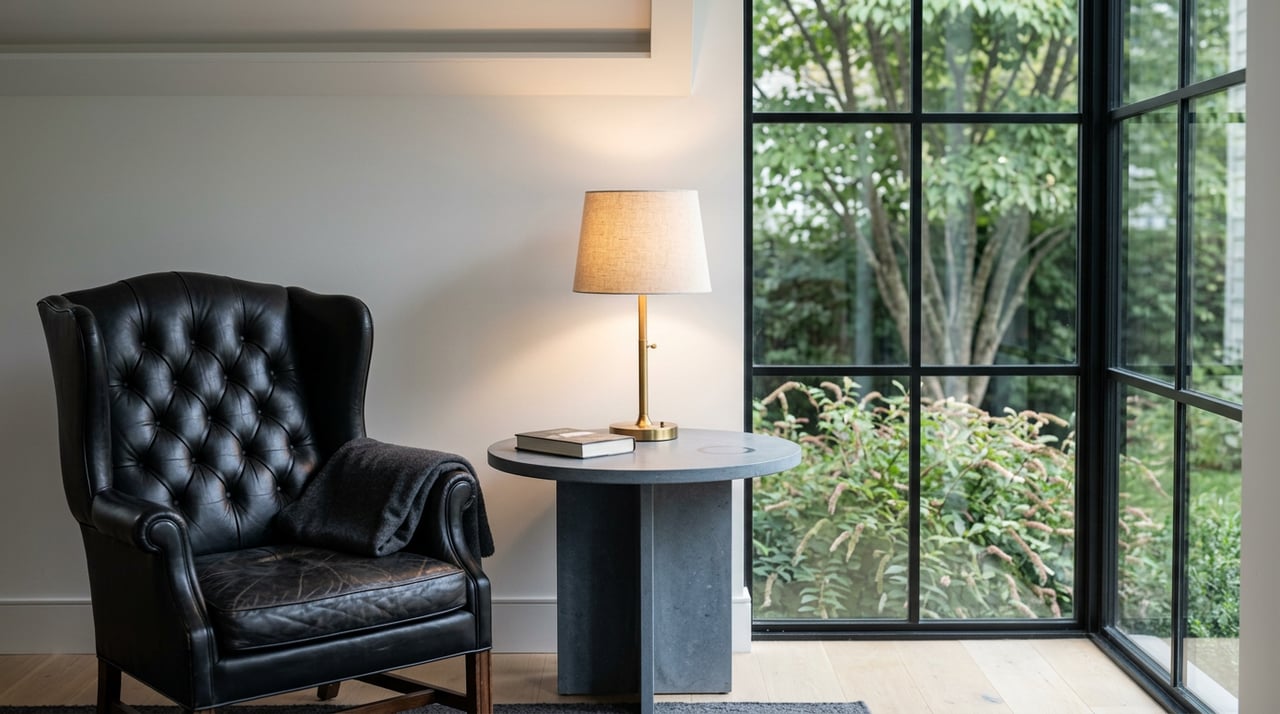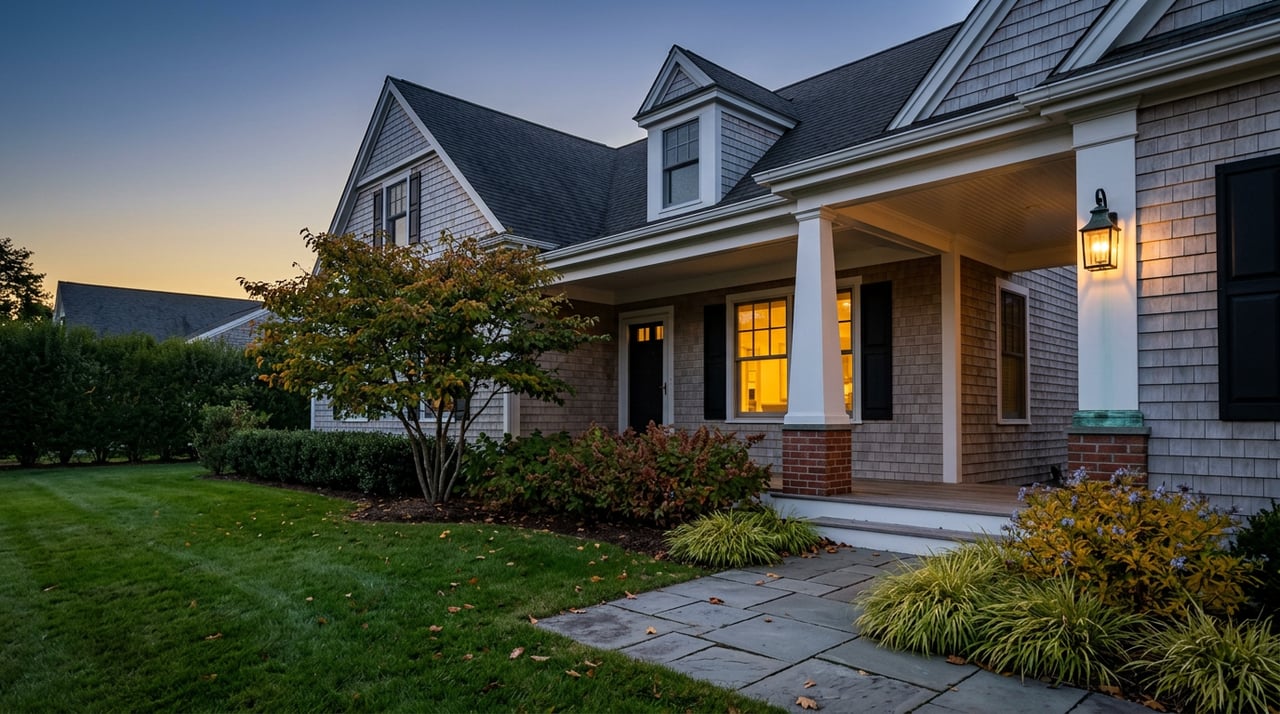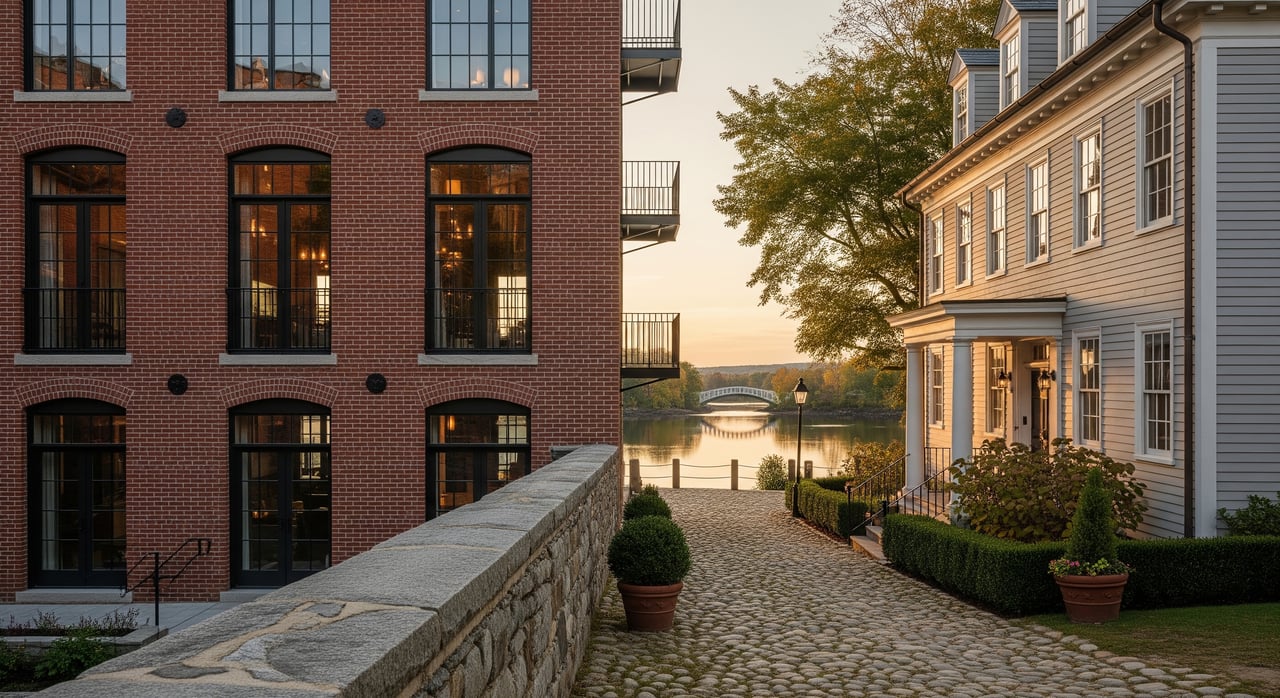
Love the character of old brick mills and wide-plank floors, but unsure what ownership really looks like? If Amesbury’s historic homes and mill lofts are catching your eye, you are not alone. These properties offer charm, walkable locations, and unique layouts, yet they come with specific costs, systems, and rules to understand. This guide gives you a clear, practical overview so you can shop with confidence. Let’s dive in.
Why Amesbury’s history matters
Amesbury grew along the Merrimack and Powwow Rivers, where 19th-century industry shaped today’s streetscapes and building stock. Brick mills, carriage and shoe-making buildings, and downtown commercial blocks set the foundation for adaptive reuse into lofts and condos. Older single- and multi-family homes spread out from the core, many dating to the 1700s and 1800s.
Some properties are part of local or national historic resources. Exterior changes in designated areas may require review by the local historic commission. For rules and process, start with the Town of Amesbury and the state-level guidance from the Massachusetts Historical Commission. If you plan to renovate, approvals can affect timelines and product choices, especially for windows, siding, and additions.
What you will find on the market
Colonial and Federal-era homes
Expect symmetrical façades, central or side-hall plans, and 2 to 2.5 stories. You often see central or end chimneys, original wide-board floors, and plaster walls. Rooms are more compartmentalized than modern layouts, with formal parlors and a central stair.
Greek Revival and early 19th-century vernacular
These homes tend to have gable-front forms, pilasters, and transom or sidelight entries. Interiors often feature higher ceilings and classical trim. Many have wood clapboard exteriors with period door and window details.
Victorian-era styles
Italianate, Second Empire, and Queen Anne elements show up across Amesbury. Look for bay windows, decorative millwork, porches, and varied room arrangements. Footprints are typically larger with multiple parlors and a more ornate staircase.
Worker housing near mills
Smaller, utilitarian 1 to 3 family buildings line narrower lots close to the river corridors. These can have durable historic fabric such as narrow-plank floors and original staircases, with simpler ornament.
Mill loft conversions
Converted mills offer high ceilings, exposed beams or brick, large windows, and open floor plates. You may find mezzanines in taller spaces, concrete or wood floors, and clustered kitchens and baths where plumbing stacks were added. Amenities often include shared lobbies, elevators, and on-site parking. If commercial tenants remain on site, review building rules and any mixed-use considerations.
Neighborhoods and location factors
Downtown and riverfront
Historic mills and commercial buildings cluster near the Merrimack and Powwow Rivers. These areas anchor many loft conversions and offer proximity to shops and restaurants. Flood risk can vary along the river, so map checks are essential before you bid.
Historic residential streets
Blocks within walking distance of downtown include many 18th and 19th-century homes. Expect tree-lined streets, sidewalks, and a mix of preserved exteriors and sensitive updates. Lot sizes may be smaller, and parking can be on-street in some pockets.
Transitional and infill areas
Just beyond the core, you might see a blend of older homes and later infill. Walkability, parking patterns, and commute convenience can change from block to block. Tour at different times of day to understand traffic, noise, and lighting.
Ownership and maintenance 101
Older homes can be durable and beautiful, but they have predictable needs. A clear-eyed approach makes all the difference.
Structure and envelope
- Stone foundations can show mortar issues, moisture, or settling that call for repair.
- Historic roofs may be slate or wood; replacement and repair costs can be higher than asphalt.
- Wood siding needs paint and periodic spot repairs to address rot and moisture.
- Original sash windows are often single-pane and drafty but can be restored and paired with storms for improved performance.
Systems and safety
- Electrical: Knob-and-tube wiring, two-prong outlets, and older fuse panels are common in early homes. Many insurers require updates.
- Heating: Oil-fired boilers and older furnaces may be inefficient. Plan for upgrades to high-efficiency boilers or heat pumps.
- Materials: Homes built before 1978 can have lead-based paint, and some older materials may contain asbestos. Testing and, if needed, abatement must follow safety protocols.
Mill loft specifics
- Sound: Concrete or timber floors can transmit noise between levels, especially in open plans.
- HVAC and plumbing: Conversions often route mechanicals through ceilings or discreet chases. Verify how hot water and ventilation are configured for your unit.
- Fire and life safety: Ensure documentation shows code-compliant sprinklers, egress, and fire separation from the original conversion.
- Condo budgets: Review HOA reserves, capital plans, and any special assessments tied to building envelope or roof repairs.
Inspection checklist
- Full home inspection with a historic-savvy inspector
- Structural/foundation review if stone or timber conditions warrant it
- Chimney, pest, and HVAC inspections
- Lead paint and asbestos inspections for pre-1978 homes
- For lofts, document review of permits, condo reserves, and building maintenance history
Energy efficiency that respects character
You can improve comfort and reduce costs without stripping historic features. Focus first on low-visibility, high-impact upgrades.
- Air sealing and attic insulation are often the best first step.
- Basement or crawlspace insulation and air sealing reduce drafts and moisture.
- High-efficiency boilers or heat pumps lower energy use while improving comfort.
- Restore original wood windows and add interior or exterior storm windows for better performance.
- Consider controlled ventilation to maintain indoor air quality after air sealing.
For incentives and a home energy assessment, explore a Mass Save visit. For guidance on preserving historic character during upgrades, see the National Park Service Technical Preservation Services.
Flood risk and insurance
Riverfront mills and some low-lying homes can sit in mapped floodplains. Lenders may require flood insurance for properties in certain zones, and coverage can be a good idea even just outside mapped areas. Check the FEMA Flood Map Service Center and ask sellers about any history of water intrusion. Budget time for insurance quotes early, especially if a property has older systems or prior claims.
Renovation financing and costs
Upgrades range from cosmetic refreshes to full system replacements. Budget a maintenance reserve and plan for surprises behind walls and under floors.
- FHA 203(k): HUD’s FHA 203(k) renovation loan can finance eligible repairs and improvements into one mortgage for qualifying buyers.
- HomeStyle Renovation: Fannie Mae HomeStyle Renovation supports a wide range of projects with conventional financing.
- Energy incentives: Certain lenders and programs offer energy efficient options, and Mass Save incentives may reduce net costs of insulation, heating, and more.
- Historic tax credits: These typically favor income-producing properties. If you are considering a larger adaptive reuse or rental project, confirm rules with the Massachusetts Historical Commission and a tax professional.
Smart next steps in Amesbury
- Confirm whether a property sits in a historic district and ask about exterior-change rules with the Town of Amesbury. Start on the Town of Amesbury site and connect with the Historic Commission.
- Review permits for past work, especially for mill conversions and major system changes.
- Order a full home inspection plus specialist inspections as needed.
- For lofts and condos, request HOA financials, reserve studies, and recent meeting minutes.
- Check the FEMA Flood Map Service Center and ask about any past water events.
- Schedule a Mass Save home energy assessment for a prioritized upgrade plan.
How The Barnes Team helps
You deserve both the story and the data. Our team pairs local Amesbury expertise with investor-grade guidance so you understand condition, risk, and value before you write an offer. We help you source historic-savvy inspectors and contractors, read condo reserves, and map out renovation and energy strategies that fit your goals.
If you are considering a historic home or mill loft, let’s talk. We can share recent comps, walk you through due diligence, and craft a smart offer plan. Connect with The Barnes Team to get started.
FAQs
What defines a “historic” home in Amesbury?
- In Amesbury, many homes date to the 1700s and 1800s. Some lie within designated historic resources, where certain exterior changes may require review by the local historic commission.
How different are mill lofts from traditional condos?
- Lofts often feature open plans, tall ceilings, and exposed structure, with stacked plumbing and added mechanical chases. Review fire-safety systems, permits, and HOA budgets carefully.
Are original windows always a deal-breaker for efficiency?
- No. Many wood windows can be repaired and paired with storm windows. Combined with air sealing and insulation, you can see meaningful comfort and energy gains.
What inspections are most important for older homes?
- In addition to a general inspection, consider structural, chimney, pest, lead paint, asbestos, and HVAC inspections. For condos, review HOA reserve studies and recent assessments.
Do I need flood insurance near the rivers?
- Lenders may require it in mapped flood zones. Even outside those areas, it can be prudent. Check the FEMA maps and ask about any past water intrusion before you buy.