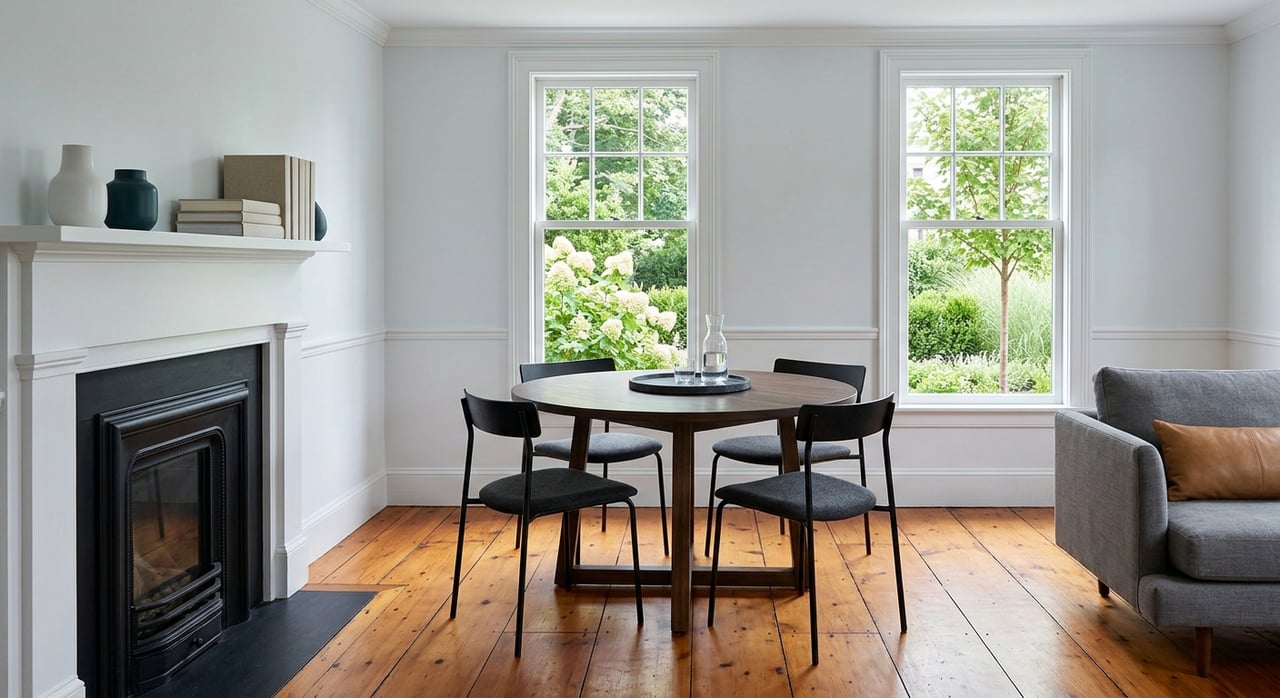
Wondering how to make your Amesbury home stand out without stripping away the very character that makes it special? That is the challenge for many local sellers, especially in a city where historic homes, mill conversions, and classic New England details shape first impressions. The good news is that smart staging does not mean making your home look generic. It means helping buyers notice the details that already tell the story. Let's dive in.
Why Amesbury staging looks different
Amesbury is not a one-note housing market. City materials describe a community with more than 350 years of history, a colonial-rooted downtown, red-brick mill buildings along the river, and older industrial spaces that now serve as homes, studios, and offices. That mix gives sellers a real advantage, but only if the home is presented in a way that lets buyers see its identity clearly.
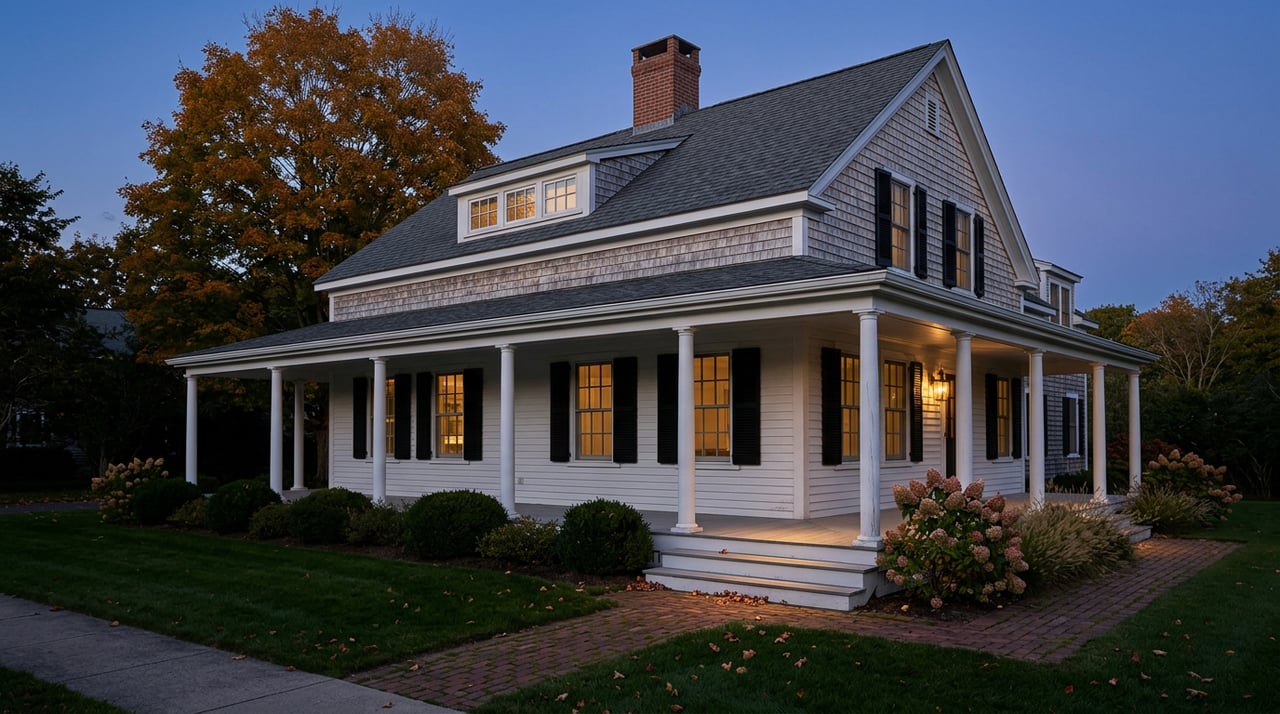
Amesbury's residential design guidance points to traditional forms, local vernacular, and historic New England styles as defining parts of the city's character. It also highlights front doors, windows, trim, and chimneys as key visual features. For staging, that means your goal is not to overpower the home with décor. Your goal is to make those architectural elements easy to notice from the moment a buyer walks in.
Start with the home's original strengths
The best staging plan starts with one simple question: what should buyers remember about your home after the showing? In Amesbury, the answer is often tied to original woodwork, a prominent front entry, tall windows, brick walls, fireplaces, or classic room proportions. Those are the features that create emotional connection and help your listing feel distinct online.
Before you add anything, remove anything that competes with those details. Oversized furniture, loud patterns, crowded shelves, and trendy accessories can pull attention away from the architecture. A cleaner, more restrained look usually helps period details feel more valuable and more intentional.
Stage the entry to frame the first impression
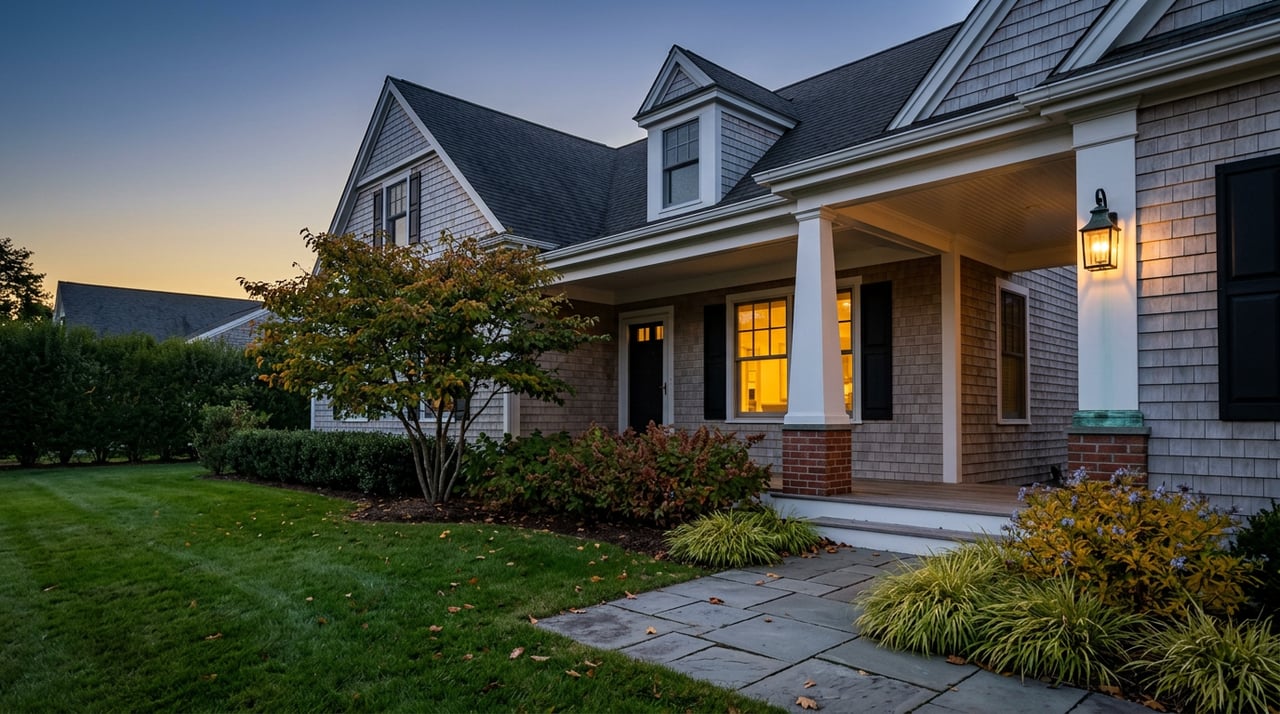
In Amesbury homes, the entry matters more than many sellers realize. Local design guidance treats the front door as a focal point, so the area around it should feel simple, clean, and welcoming. If buyers can immediately read the shape of the doorway, trim, and surrounding features, the home starts strong.
Keep this area edited. A modest runner, good lighting, and one or two restrained accents are usually enough. If you have a porch or covered front entry, treat it the same way. Keep it uncluttered and seasonally appropriate so the architectural details stay front and center.
Entry staging checklist
- Clear shoes, bags, and extra furniture
- Keep the front door and trim visible
- Use a simple runner if the space needs softness
- Add subtle lighting if the entry feels dim
- Limit decorative items so the architecture leads
Focus on the living room first
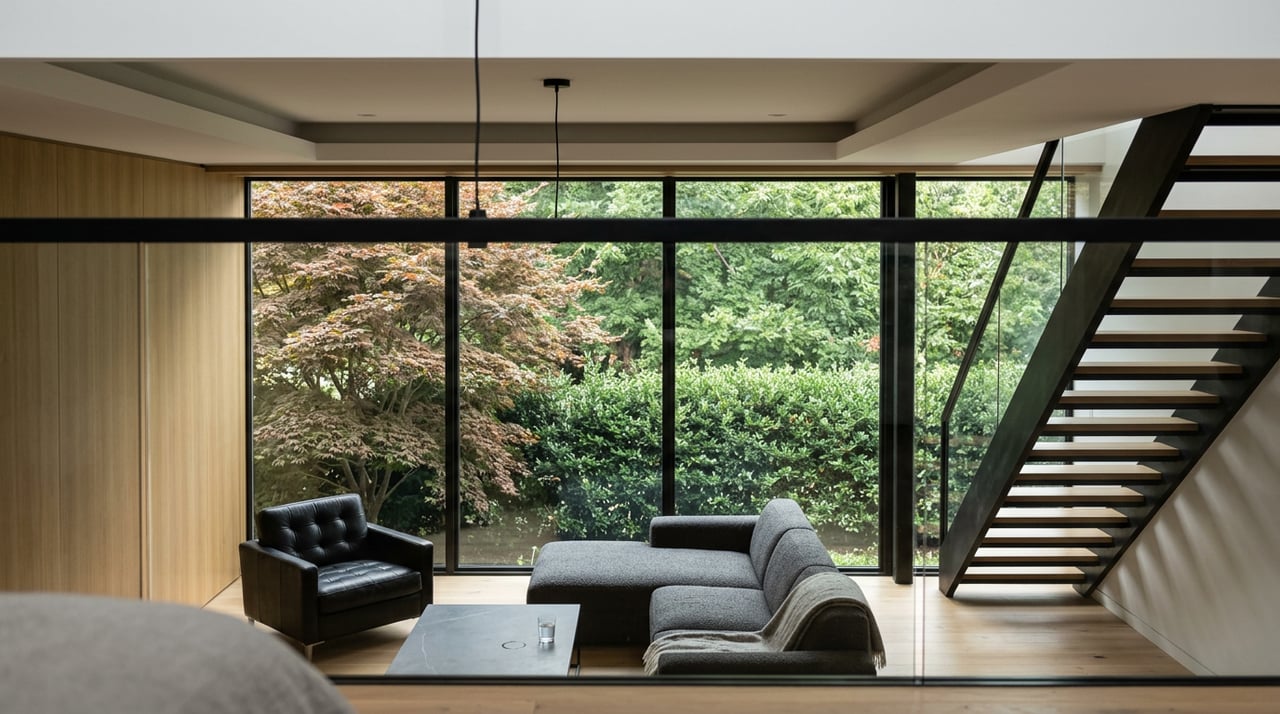
According to the National Association of Realtors' 2025 staging report, the living room was the space buyers' agents most often considered important to stage. In Amesbury, that room is often where historic character makes its strongest impression. Original wood trim, fireplaces, and traditional window proportions can do a lot of the work for you if the furniture plan supports them.
Scale matters here. Choose furniture that fits the room without blocking sightlines to windows, built-ins, or a mantel. If the layout feels tight, fewer pieces often work better than trying to fill every corner. Buyers should be able to picture conversation, daily life, and easy movement through the space.
Keep kitchens current but compatible
The kitchen is one of the top rooms to stage, and for good reason. Buyers want it to feel clean, functional, and ready to use. In Amesbury, though, the most successful kitchens usually balance modern convenience with the age and style of the home.
That means you do not need to chase every trend. Warm, simple accents often work better than highly stylized staging. Clear the counters, keep only a few practical or attractive items out, and make sure finishes look cohesive in photos. If your kitchen has been updated, staging should help that update feel connected to the rest of the house rather than visually separate from it.
Kitchen staging priorities
- Clear most countertop items
- Remove magnets, notes, and small appliances
- Use simple accents that fit the home's style
- Highlight workspace and natural light
- Make dining areas feel easy and usable
Create calm in bedrooms and baths
NAR's 2025 report also ranks the primary bedroom just behind the living room in staging importance. That makes sense because buyers want bedrooms to feel restful and spacious. In practice, that means fewer personal items, minimal surface clutter, and bedding that looks crisp and neutral.
Bathrooms should follow the same principle. Keep them spotless, bright, and edited so buyers focus on size, condition, and function. A clean vanity, fresh towels, and open visual space usually do more than decorative extras.
Stage mill lofts with clear zones
Some of Amesbury's most distinctive homes are in former mill buildings that have been adapted for residential use. If you are selling a loft or open-plan condo, staging should help buyers understand how the space works without hiding what makes it unique. The city's planning materials highlight the importance of these historic industrial structures in the local built environment.
Use rugs, lighting, and scaled furniture to define living, dining, and work areas. At the same time, keep brick walls, large window openings, and ceiling height visible. Buyers should be able to appreciate the openness while also seeing a comfortable, practical layout.
In loft-style homes, highlight these features
- Exposed brick or structural materials
- Large mill windows
- Ceiling height and volume
- Flexible living and work zones
- Clean lines that support the industrial character
Make vacant homes easier to understand
Empty rooms can be hard to read, especially in older homes with unusual dimensions or in lofts where one open area serves multiple functions. NAR notes that vacant homes can make a poor first impression and may feel smaller than they are. A small amount of staging can help buyers understand scale, flow, and purpose.
This is especially important in Amesbury, where room proportions and architectural details are part of the appeal. Even partial staging can help anchor the home and make online photos more compelling. Buyers tend to engage better when they can quickly understand how a room lives.
Plan staging with photography in mind
Staging is not just about the in-person showing. It also affects how your listing performs online, where many buyers form their first opinion. NAR's 2025 data found that buyers' agents rated photos as the most important media element at 73%, followed by physical staging at 57%, videos at 48%, and virtual tours at 43%.
For sellers, the takeaway is clear. Your staging plan should be built for the camera as much as for the open house. In Amesbury, that means your photo sequence should show both character and function. A fireplace, original trim, mill windows, or a thoughtfully updated kitchen should appear as part of a cohesive story, not as isolated detail shots.
The same report found that 83% of buyers' agents said staging made it easier for buyers to visualize a property as a future home. It also found that 31% said buyers were more willing to walk through a home they had already seen online. That is why premium visual presentation matters so much when you are preparing to list.
Think of staging as market positioning
Staging is often treated as an optional extra, but the data suggests it can be part of a stronger listing strategy. In NAR's 2025 survey, 19% of sellers' agents said staged homes brought offers that were 1% to 5% higher than similar unstaged homes, while 10% reported increases of 6% to 10%. The same survey found a median staging spend of $1,500, and 30% of agents reported a slight decrease in time on market.
That does not mean every home needs full-service staging. It means thoughtful preparation can improve how buyers perceive value. In a place like Amesbury, where authenticity and architectural character can set one home apart from another, that preparation often pays off in stronger interest and better positioning.
Avoid over-styling historic homes
One common mistake is trying to make an older home look like a design-show set. That can backfire. NAR has noted that many agents believe TV design shows have created unrealistic expectations, and buyers can sense when a home feels overly produced.
In Amesbury, polished usually works better than perfect. You want the home to feel fresh, bright, and intentional, but still believable. Historic homes and mill conversions tend to perform best when the staging supports their real character instead of covering it up.
Check larger exterior changes before listing
Most staging does not involve permits or formal review. Still, if you are planning exterior repairs or changes before listing, it is smart to check local requirements first. Amesbury's Historical Commission reviews demolition permits and certain preservation-related applications as part of its role in protecting significant buildings that reflect the city's history.
If your prep list includes more than basic cosmetic work outside, confirm what rules may apply before you begin. That extra step can help you avoid delays as you get the home market-ready.
How The Barnes Team approaches staging strategy
A strong Amesbury listing needs more than attractive furniture. It needs a plan that connects the home's character, target buyer, pricing strategy, and visual marketing. That is where a local, data-driven approach makes a difference.
The Barnes Team pairs hands-on listing guidance with premium marketing tools like cinematic video, drone content, 3D floor plans, and custom collateral. For sellers in Amesbury, that means your staging decisions can support a bigger strategy: helping buyers connect with the home online first, then reinforcing that impression when they step through the door.
If you are getting ready to sell, the goal is simple. Show buyers the home you have, not a generic version of it. Amesbury's architecture already gives you a story worth telling, and the right staging helps that story come through clearly. When you are ready for a tailored listing plan, connect with The Barnes Team.
FAQs
What makes staging different for Amesbury homes?
Amesbury homes often feature historic New England details, mill-building character, traditional proportions, and prominent entries, so staging should highlight those features instead of distracting from them.
Which rooms matter most when staging an Amesbury home for sale?
Based on the 2025 NAR staging report, the living room is the top priority, followed by the primary bedroom and kitchen.
How should you stage a historic home in Amesbury without losing character?
Use simple, scaled furnishings, reduce clutter, and keep original details like trim, windows, fireplaces, and front entries easy to see.
How should you stage an Amesbury mill loft or open-plan condo?
Define living zones with rugs, lighting, and furniture while keeping brick, window openings, and ceiling height visible.
Is staging worth it when selling an Amesbury home?
Research cited in this post suggests staging can help buyers visualize the home more easily, improve online interest, and in some cases support stronger offers and slightly less time on market. If you are timing your listing, it also helps to understand when the market favors sellers and what your home may be worth before you prepare it.