As the world of luxury real estate continues to evolve, so too do the design trends that define high-end living. In 2026, luxury home design is expected to take on a new level of sophistication—one that blends modern technology, timeless aesthetics, and sustainable living. From minimalist architecture to biophilic interiors, the emphasis is shifting toward harmony, personalization, and experience. For discerning homeowners in areas like Amesbury, Massachusetts, where classic New England architecture meets modern lifestyle preferences, these trends offer the opportunity to create homes that are both visually stunning and intelligently designed for everyday life.
Embracing Nature Through Biophilic Design
One of the most defining trends of 2026 is the growing influence of biophilic design—an approach that brings nature directly into the home. Luxury homeowners are seeking stronger connections with the natural world, incorporating organic materials, natural light, and outdoor-inspired layouts into interior spaces.
Expect to see expansive windows that blur the boundaries between inside and out, open courtyards, and living walls featuring lush greenery. Materials such as stone, wood, and linen will continue to dominate, emphasizing warmth and authenticity. In coastal or riverside towns like Amesbury, this trend beautifully complements the surrounding scenery, creating interiors that feel grounded in their environment while exuding understated sophistication.
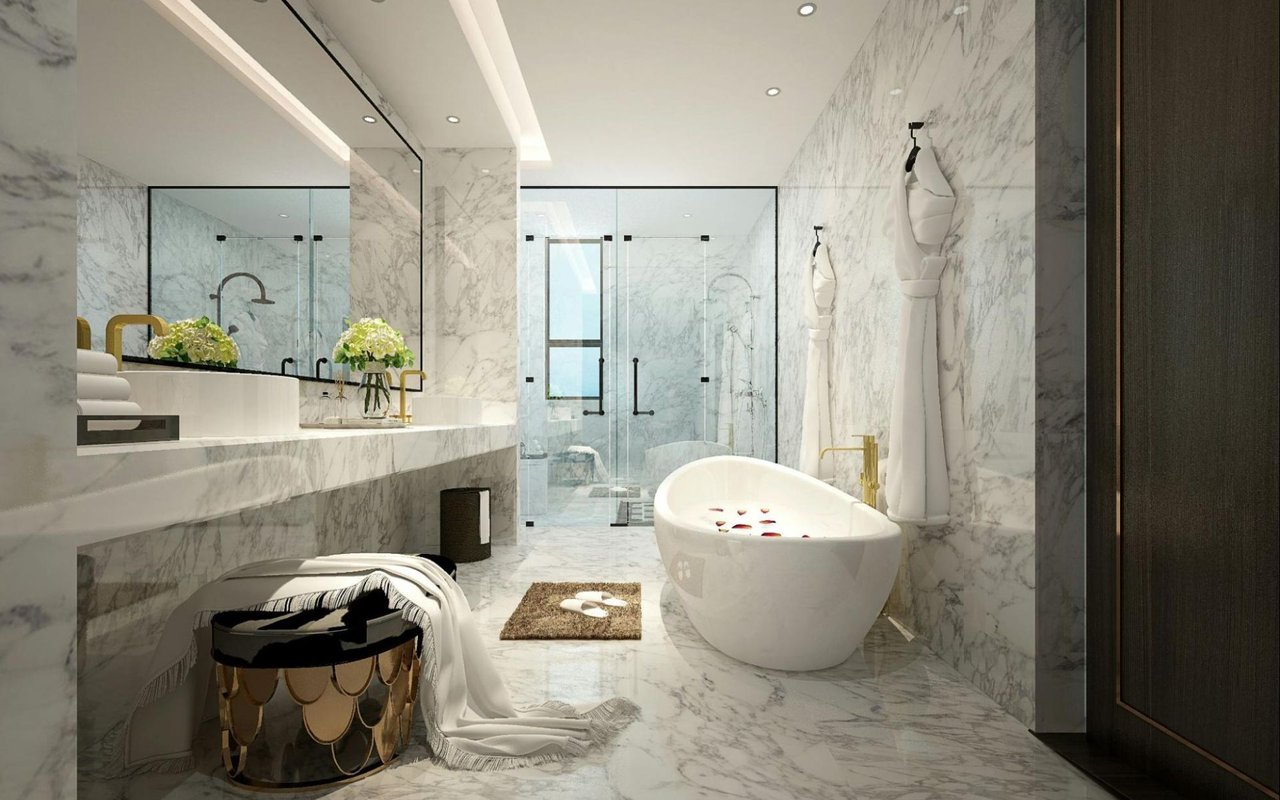
Water features—both indoor and outdoor—will also gain popularity, from tranquil fountains in entryways to spa-like bathrooms with freestanding tubs overlooking garden views. The goal is to evoke serenity and balance, transforming the home into a personal retreat.
Expect to see expansive windows that blur the boundaries between inside and out, open courtyards, and living walls featuring lush greenery. Materials such as stone, wood, and linen will continue to dominate, emphasizing warmth and authenticity. In coastal or riverside towns like Amesbury, this trend beautifully complements the surrounding scenery, creating interiors that feel grounded in their environment while exuding understated sophistication.
Water features—both indoor and outdoor—will also gain popularity, from tranquil fountains in entryways to spa-like bathrooms with freestanding tubs overlooking garden views. The goal is to evoke serenity and balance, transforming the home into a personal retreat.
Smart Homes That Feel Effortlessly Human
Technology in luxury homes has advanced far beyond convenience—it’s now about creating intuitive living experiences. By 2026, smart homes are expected to integrate technology so seamlessly that it becomes almost invisible. Voice-activated systems, adaptive lighting, and climate controls that learn homeowners’ preferences are becoming standard features in high-end properties.
The newest innovations prioritize comfort, energy efficiency, and personalization. Lighting that adjusts automatically based on natural circadian rhythms, kitchens equipped with smart appliances that track inventory, and security systems powered by facial recognition technology all cater to the modern homeowner’s desire for both sophistication and simplicity.
However, luxury homeowners are also seeking a more human touch in their technology. Designs now emphasize subtlety, ensuring that devices blend harmoniously into the home’s overall aesthetic. Hidden panels, recessed screens, and discreetly placed speakers allow technology to serve its purpose without interrupting the visual flow of a room.
The newest innovations prioritize comfort, energy efficiency, and personalization. Lighting that adjusts automatically based on natural circadian rhythms, kitchens equipped with smart appliances that track inventory, and security systems powered by facial recognition technology all cater to the modern homeowner’s desire for both sophistication and simplicity.
However, luxury homeowners are also seeking a more human touch in their technology. Designs now emphasize subtlety, ensuring that devices blend harmoniously into the home’s overall aesthetic. Hidden panels, recessed screens, and discreetly placed speakers allow technology to serve its purpose without interrupting the visual flow of a room.
Elevated Minimalism: Less as the Ultimate Luxury
Minimalism continues to be a cornerstone of modern luxury design, but in 2026, it evolves into something warmer and more nuanced. This “elevated minimalism” focuses on creating spaces that are clean and uncluttered, yet layered with texture and meaning.
Instead of stark white interiors, neutral palettes are being enhanced with earthy undertones—soft taupes, warm grays, and muted greens. These shades add dimension and a sense of calm. Materials like marble, oak, and brushed brass offer subtle luxury without overwhelming the senses.
Luxury is increasingly defined not by excess, but by the thoughtful curation of materials and objects. Every piece, from a handcrafted table to a sculptural light fixture, is chosen with intention. The result is a space that feels both timeless and deeply personal.
Instead of stark white interiors, neutral palettes are being enhanced with earthy undertones—soft taupes, warm grays, and muted greens. These shades add dimension and a sense of calm. Materials like marble, oak, and brushed brass offer subtle luxury without overwhelming the senses.
Luxury is increasingly defined not by excess, but by the thoughtful curation of materials and objects. Every piece, from a handcrafted table to a sculptural light fixture, is chosen with intention. The result is a space that feels both timeless and deeply personal.
Sustainability as a Status Symbol
Sustainability has moved from trend to necessity, and by 2026, it’s a hallmark of true luxury. Environmentally conscious design is now viewed as the ultimate expression of refinement, reflecting both responsibility and innovation.
Luxury builders and architects are embracing eco-friendly materials such as reclaimed wood, recycled metal, and non-toxic paints. Solar integration, energy-efficient insulation, and advanced water filtration systems are no longer optional—they’re expected.
Homeowners are also investing in passive design strategies that reduce environmental impact without sacrificing comfort or style. Expansive windows positioned for optimal sunlight, green roofs that promote natural insulation, and geothermal systems that regulate temperature efficiently all contribute to a sustainable yet opulent lifestyle.
In historic regions like Amesbury, this approach pairs beautifully with the area’s architectural heritage, allowing homeowners to preserve character while incorporating cutting-edge environmental design.
Luxury builders and architects are embracing eco-friendly materials such as reclaimed wood, recycled metal, and non-toxic paints. Solar integration, energy-efficient insulation, and advanced water filtration systems are no longer optional—they’re expected.
Homeowners are also investing in passive design strategies that reduce environmental impact without sacrificing comfort or style. Expansive windows positioned for optimal sunlight, green roofs that promote natural insulation, and geothermal systems that regulate temperature efficiently all contribute to a sustainable yet opulent lifestyle.
In historic regions like Amesbury, this approach pairs beautifully with the area’s architectural heritage, allowing homeowners to preserve character while incorporating cutting-edge environmental design.
Multifunctional Spaces Designed for Balance
As work, leisure, and family life increasingly intersect, homes are being reimagined as multifunctional environments. The modern luxury home in 2026 will prioritize flexibility—offering spaces that adapt effortlessly to changing needs.
Home offices are now being designed with sophistication and comfort in mind, featuring custom-built furniture, advanced soundproofing, and access to outdoor views. Wellness areas, once a niche amenity, have become essential. Home gyms, meditation rooms, and infrared saunas reflect the growing emphasis on holistic living.
Even entertaining areas are becoming more versatile. Expansive kitchens with integrated dining spaces, open-concept living rooms that transition seamlessly into outdoor patios, and retractable walls that connect indoor and outdoor spaces define this new approach to design.
The goal is fluidity—spaces that evolve with the homeowner’s lifestyle while maintaining a cohesive sense of luxury.
Home offices are now being designed with sophistication and comfort in mind, featuring custom-built furniture, advanced soundproofing, and access to outdoor views. Wellness areas, once a niche amenity, have become essential. Home gyms, meditation rooms, and infrared saunas reflect the growing emphasis on holistic living.
Even entertaining areas are becoming more versatile. Expansive kitchens with integrated dining spaces, open-concept living rooms that transition seamlessly into outdoor patios, and retractable walls that connect indoor and outdoor spaces define this new approach to design.
The goal is fluidity—spaces that evolve with the homeowner’s lifestyle while maintaining a cohesive sense of luxury.
Artisanal Craftsmanship and Bespoke Design
Personalization remains one of the most defining aspects of luxury home design. In 2026, homeowners are moving away from mass-produced décor and embracing craftsmanship and customization. Every detail—from cabinetry to lighting fixtures—is being tailored to reflect individual tastes and experiences.
Artisanal materials, handcrafted furniture, and locally sourced elements are on the rise. This emphasis on bespoke design not only adds exclusivity but also fosters a deeper connection between the home and its owner. It’s about celebrating artistry and narrative, creating interiors that tell a story unique to those who inhabit them.
In Amesbury, where craftsmanship and heritage run deep, this approach resonates strongly. Whether restoring a historic property or building a contemporary home, the integration of custom details ensures that each residence stands apart as a true work of art.
Artisanal materials, handcrafted furniture, and locally sourced elements are on the rise. This emphasis on bespoke design not only adds exclusivity but also fosters a deeper connection between the home and its owner. It’s about celebrating artistry and narrative, creating interiors that tell a story unique to those who inhabit them.
In Amesbury, where craftsmanship and heritage run deep, this approach resonates strongly. Whether restoring a historic property or building a contemporary home, the integration of custom details ensures that each residence stands apart as a true work of art.
A Look Ahead: The New Definition of Luxury
As design trends continue to evolve, the definition of luxury becomes less about grandeur and more about meaning. The homes of 2026 reflect a desire for spaces that nurture, inspire, and connect. They balance innovation with authenticity, technology with nature, and form with function.
This new era of luxury home design is not just about aesthetics—it’s about creating a living environment that enhances well-being and expresses individuality. In every sense, it represents the perfect fusion of elegance, intelligence, and sustainability.
This new era of luxury home design is not just about aesthetics—it’s about creating a living environment that enhances well-being and expresses individuality. In every sense, it represents the perfect fusion of elegance, intelligence, and sustainability.
Elevate Your Lifestyle with The Barnes Team
For those seeking to create or discover a home that embodies the essence of modern luxury, partnering with local experts makes all the difference. The Barnes Team specializes in Amesbury, MA real estate, helping clients find properties that reflect both refined design and long-term value. Whether exploring custom builds, waterfront estates, or historic homes ready for transformation, The Barnes Team provides unparalleled insight and personalized service. Reach out today to begin your journey toward a home that captures the future of luxury living.