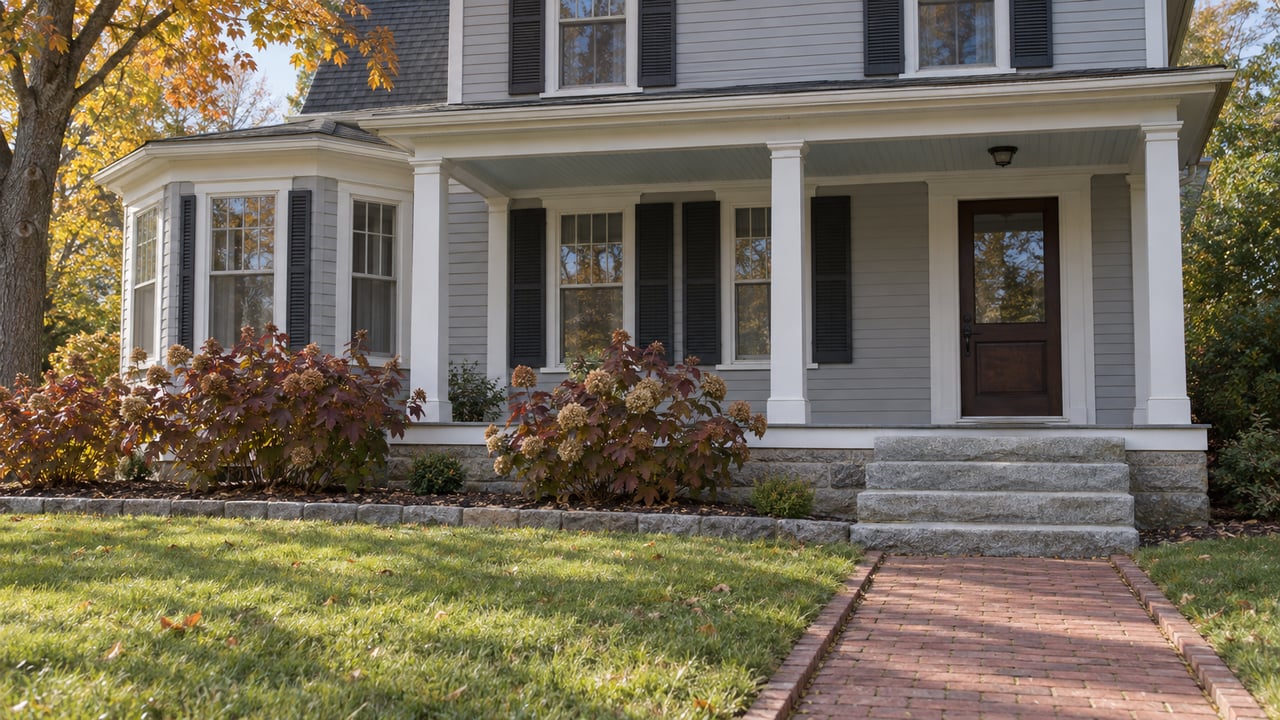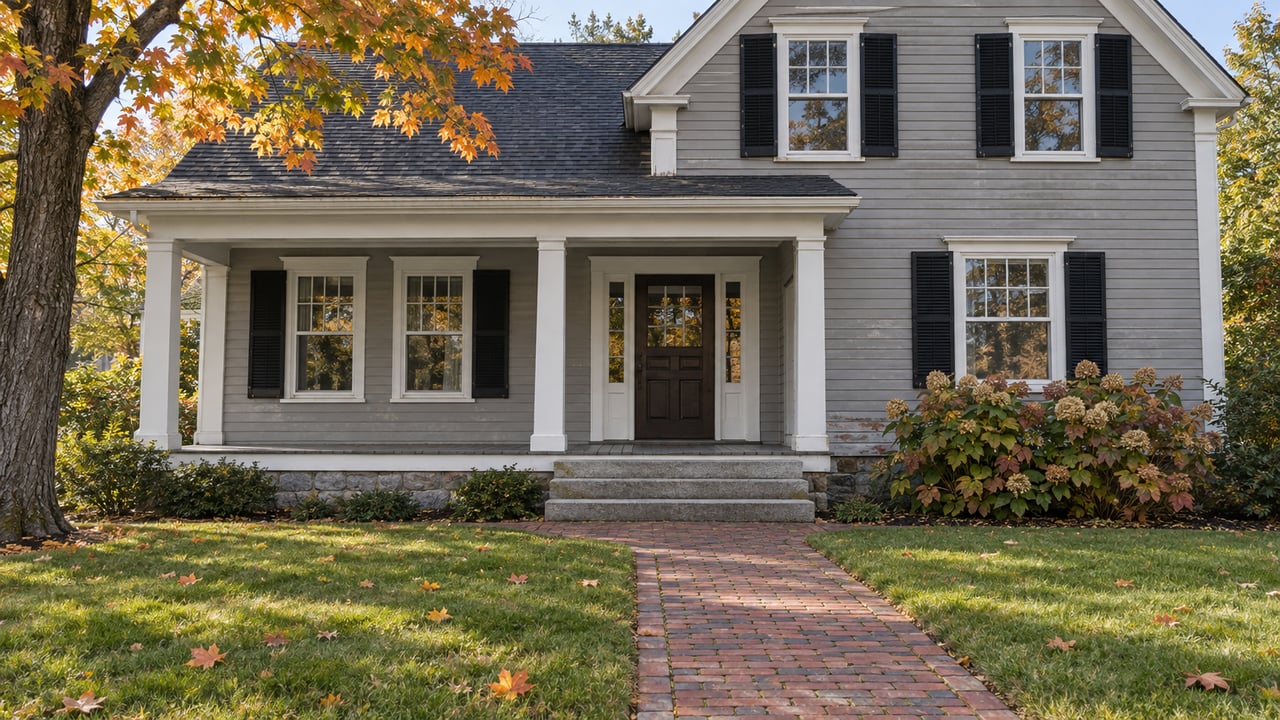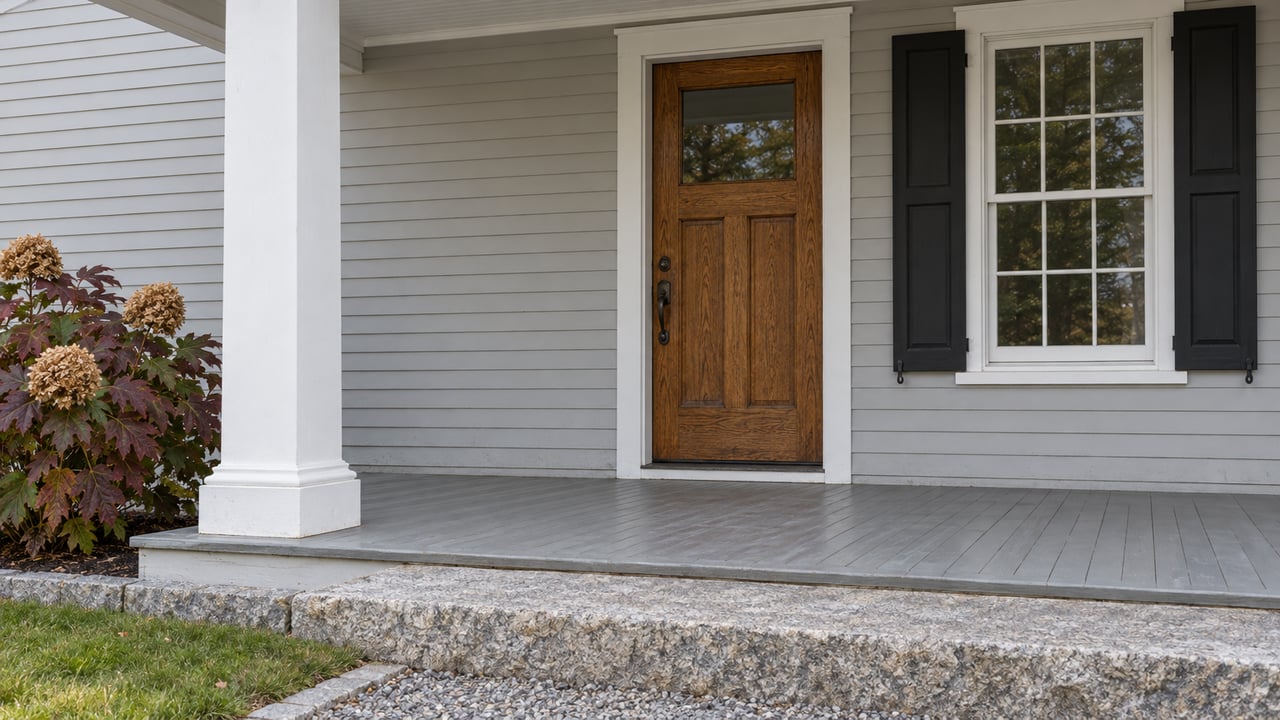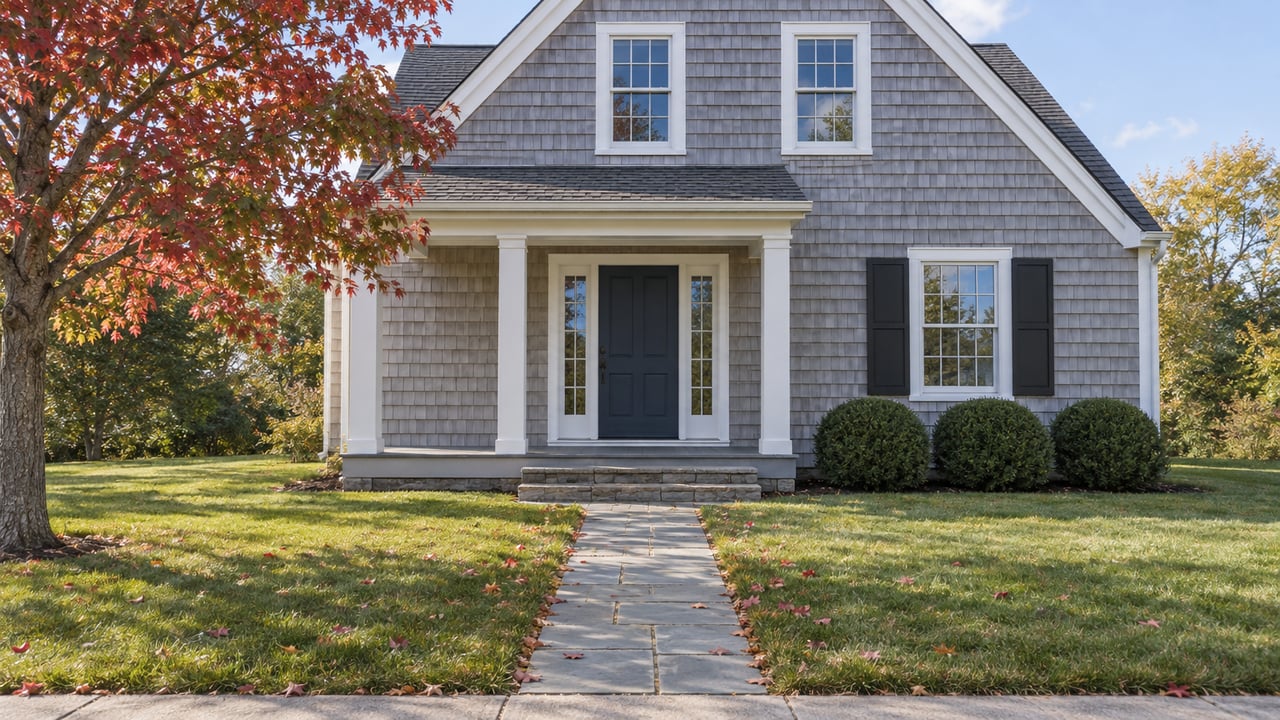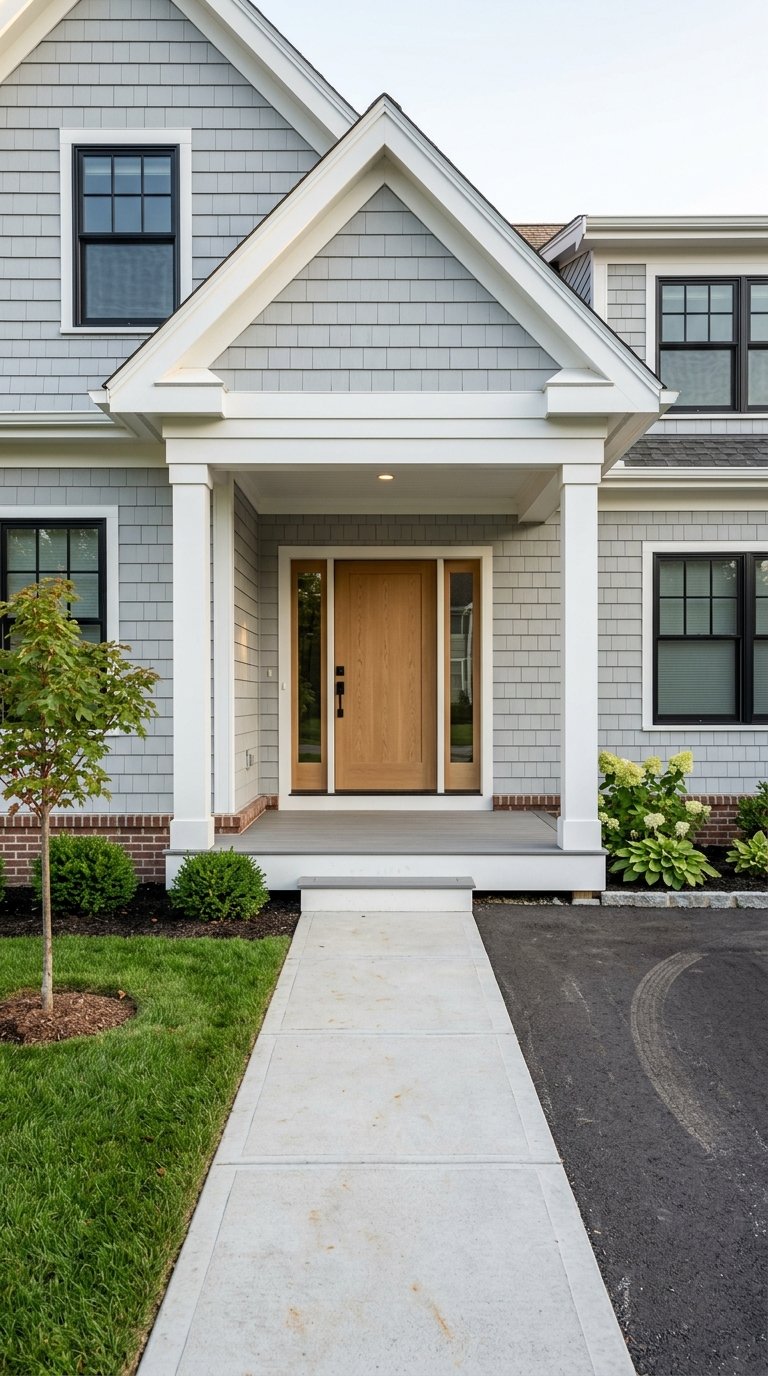
Thinking about buying a brand-new home in Amesbury? New construction can be exciting, but it also comes with questions that do not always show up in a resale purchase. If you want more control over finishes, updated energy standards, and a home that fits today's living needs, it helps to understand how Amesbury's local development process can shape your timeline, costs, and closing. Whether you are just starting to browse Amesbury homes for sale or already touring model homes, understanding this process pays off. Let's dive in.
Why Amesbury new construction stands out
Amesbury has an active development pipeline, especially along Route 110, Clarks Road, and Elm Street. The city approved the East End Smart Growth Overlay District in 2023, and it received state approval in 2024, with a stated goal of concentrated mixed-use development and a better transition between commercial and residential areas.
That growth is also being supported by infrastructure investment. In 2025, Amesbury announced a $3.6 million MassWorks grant tied to Route 110, Elm, and Clarks improvements that support more than 600 units of housing and commercial development. For a deeper look at how this expansion is reshaping the area, see how Amesbury development is booming and what this means for home values and lifestyle. For you as a buyer, that means new construction opportunities are real, but many are connected to evolving sites rather than fully settled neighborhoods.
Know what type of new construction you're buying
Not every new-construction purchase works the same way. Some homes are built as spec homes, while others are semi-custom or custom. The more choices you have, the more important it is to understand how selections, upgrades, and change orders may affect your budget and timing.
In Amesbury, that difference matters because local planning and approval work often involves coordination with conservation, utilities, sewer, water, and sometimes MassDOT. A home that looks close to delivery may still depend on steps behind the scenes that affect the completion schedule.
Spec homes
Spec homes usually offer a simpler process. The builder has already chosen many materials and layouts, which can make decision-making easier and shorten the timeline.
The tradeoff is flexibility. You may have fewer choices on finishes, floor plans, or upgrade packages, so it is important to get a clear list of what is included in the base price.
Semi-custom and custom homes
Semi-custom and custom homes often give you more input on design and finishes. That can be a major benefit if you want a home tailored to your preferences, and it is worth staying current on luxury home design trends for 2026 as you make selections.
It can also add moving parts. More choices often mean more meetings, more deadlines, and more potential for pricing changes if upgrades or revisions are made after plans are underway.
Focus on project status, not just the floor plan
With resale homes, you are mostly evaluating what already exists. With new construction in Amesbury, you also need to understand where the project stands in the approval and building process.
The city encourages pre-application meetings before site plan or special permit filings because issues like building design, parking, access, landscaping, and environmental constraints are often shaped early. That is why one of the smartest questions you can ask is simple: Is this home still in concept, under review, approved, under construction, or near completion?
Why approvals matter in Amesbury
The Amesbury Planning Board is the main local reviewer for site plans, special permits, subdivision matters, zoning hearings, and related items. Public project tracking shows active Route 110-area and nearby proposals, including 28 Haverhill Road and the Rocky Hill and Elm Street development.
For you, this means a new-construction home may be part of a larger project still being refined around traffic, stormwater, utilities, and site access. Those details can influence everything from your move-in date to how the neighborhood functions once the development is fully built out. Getting familiar with the broader Amesbury neighborhood can help you picture how a given project fits into the wider community.
Look closely at the lot and site conditions
A beautiful kitchen does not tell you the full story of a new home. In Amesbury, site conditions can shape the final design in ways that matter long after closing.
The city notes that wetlands and natural resources can affect development, and work may be governed by an Order of Conditions under the Massachusetts Wetlands Protection Act and local ordinance. Planning guidance also flags environmental constraints, infrastructure, traffic, and off-site issues as factors that may affect a project.
Questions to ask about the site
Before you commit, ask questions like:
- Are there wetlands, floodplain, or conservation constraints on the lot?
- What approvals are still outstanding?
- How will access, parking, and traffic work once the development is complete?
- Were there site limitations that changed the original design?
- Who is responsible for any remaining off-site or infrastructure work?
These questions help you look beyond finishes and understand how the home fits into the larger project and surrounding area.
Understand what newer energy standards may mean
One practical advantage of new construction in Amesbury is that newer homes are generally being built to more current energy standards than many resale homes. Amesbury adopted the Stretch Energy Code effective January 1, 2014, and Massachusetts updated its building-energy code framework in October 2024.
In real life, that can affect insulation, air sealing, mechanical systems, and overall energy performance. While every home is different, newer standards may influence long-term utility costs and comfort in ways worth discussing with the builder.
Protect yourself with the right contract questions
A new-construction contract often has more builder-specific language than a standard resale deal. That is why clarity matters from the start. Reviewing a comprehensive buyer's guide early can help you know which terms deserve extra scrutiny.
You should understand exactly what is included in the base price, what counts as an upgrade, how allowances work, and what happens if materials or timelines change. It is also smart to confirm how deposits are handled and under what conditions they are refundable.
Key contract questions to ask
Use this checklist when reviewing a new-construction purchase:
- What is included in the base price versus upgrades?
- What is the deposit amount?
- Under what conditions is the deposit refundable?
- What deadlines apply to selections or change orders?
- What happens if the closing date is delayed?
- What warranty is offered after closing?
- How are post-closing repair requests handled?
These details can make a major difference in how smooth your purchase feels.
Do not skip the inspection process
Some buyers assume a brand-new home does not need an inspection. In Massachusetts, that is not the right approach. Our ultimate guide to home inspection before buying walks through why this step matters even for new builds.
The state requires a residential home inspection disclosure before or at the first written purchase contract, and sellers or agents generally cannot require or encourage you to waive your right to inspect except in limited circumstances. You may choose a licensed home inspector, and you should be given a reasonable period after the first written contract to decide whether to proceed if the inspection is unsatisfactory.
What an inspection does and does not do
Massachusetts treats a home inspection as a limited visual review, not a guarantee. The state also recommends verifying the inspector's license and notes that buyers may want to attend the inspection.
Depending on the property, you may also want to consider add-on tests for radon, water quality, wood-destroying insects, or mold-related concerns. Even in new construction, these checks can help you understand the home more fully before you close.
Remember that appraisal and inspection are different
It is easy to confuse an inspection with an appraisal, but they serve different purposes. An inspection helps you evaluate the condition of the home, while an appraisal helps the lender assess value. If you are also curious what your future resale might be worth, a home valuation can offer a helpful baseline.
That distinction matters in new construction because a lender can still require repairs or escrow funds before closing if major issues are identified. Even a nearly finished home may have punch-list items, incomplete systems, or code-related corrections that affect your closing date.
Get clear on the builder warranty
Warranties are one of the biggest differences between a new home and a resale home. Most newly built homes come with some type of builder warranty, but coverage is usually limited and can vary by builder.
In many cases, workmanship and materials may be covered for about one year, major systems like HVAC, plumbing, and electrical may have about two years of coverage, and some builders offer longer coverage for major structural defects. A separate home warranty is different because it is a paid service contract, not the same thing as a builder warranty.
Ask for warranty details in writing
Before you move forward, make sure you know:
- What is covered
- How long each item is covered
- How repair requests are submitted
- How quickly the builder responds
- Whether there are seasonal punch-list procedures
You should also ask how the builder has handled warranty items in recent local completions.
Plan for permits and occupancy timing
Amesbury's local process may include permits and inspections beyond your mortgage timeline. The city uses OpenGov for residential and commercial permits, notes that larger projects like new buildings require permits and inspections, and lists a residential occupancy permit in its fee schedule.
That means your move-in date should not be based only on construction progress. You should confirm that the builder has the right permits in place and understand who is responsible for final occupancy signoff before you schedule movers or lock in a lease end date.
Think about resale from day one
Even if this is your long-term home, future resale still matters. In Amesbury, resale potential can be influenced by the surrounding development pattern, especially in active growth corridors. If you want a broader primer on the local market, our overview of buying a home in Amesbury is a good place to start.
The city's Route 110, Clarks, and Elm initiative is intended to support more housing and commercial activity, but traffic, access, and streetscape quality can vary by project. Technical reviews for local projects have highlighted issues such as wetlands, access points, stormwater, utility service, and traffic, all of which can shape how a location performs over time.
What to compare before you buy
When you are deciding between projects, compare:
- Density and street layout
- Parking design
- Access in and out of the development
- Nearby planned construction
- Site constraints that may affect future use or appearance
- The builder's local delivery history
Amesbury already has examples of neighborhood-scale development around South Hunt Road, including Amesbury Heights, Baileys Pond, and Hatters Point Phase II. Looking at how different newer areas feel can give you useful context as you weigh current options.
Why local guidance matters
Buying new construction in Amesbury is not just about choosing a model home or design package. It is about understanding approvals, timelines, site conditions, inspections, and how the finished project may function once everything around it is built.
That is where local, practical guidance can make the process easier. When you have someone helping you read planning status, compare builder track records, and ask the right questions early, you are in a much better position to make a confident decision.
If you are weighing a new-construction purchase in Amesbury, The Barnes Team can help you evaluate the project, understand the local context, and move forward with a clear plan.
FAQs
What should you ask before buying new construction in Amesbury?
Ask about outstanding approvals, site constraints, base price versus upgrades, deposit terms, warranty coverage, and how access, parking, and traffic will work once the project is complete.
Do you still need a home inspection for a new home in Amesbury?
Yes. Massachusetts gives buyers important inspection rights, and a new home can still have defects, incomplete items, or issues that are not obvious during a walkthrough.
How can wetlands or site issues affect an Amesbury new-construction home?
Wetlands, conservation limits, stormwater requirements, and infrastructure constraints can affect design, layout, approvals, and sometimes the final use of parts of the lot.
What is the difference between a builder warranty and a home warranty on a new Amesbury home?
A builder warranty typically covers certain items in the newly built home for limited periods, while a home warranty is a separate paid service contract.
Why do Amesbury project approvals matter to new-construction buyers?
Many local projects move through planning, permitting, and technical review stages, so approvals can affect timing, access design, utilities, traffic flow, and the final built product.