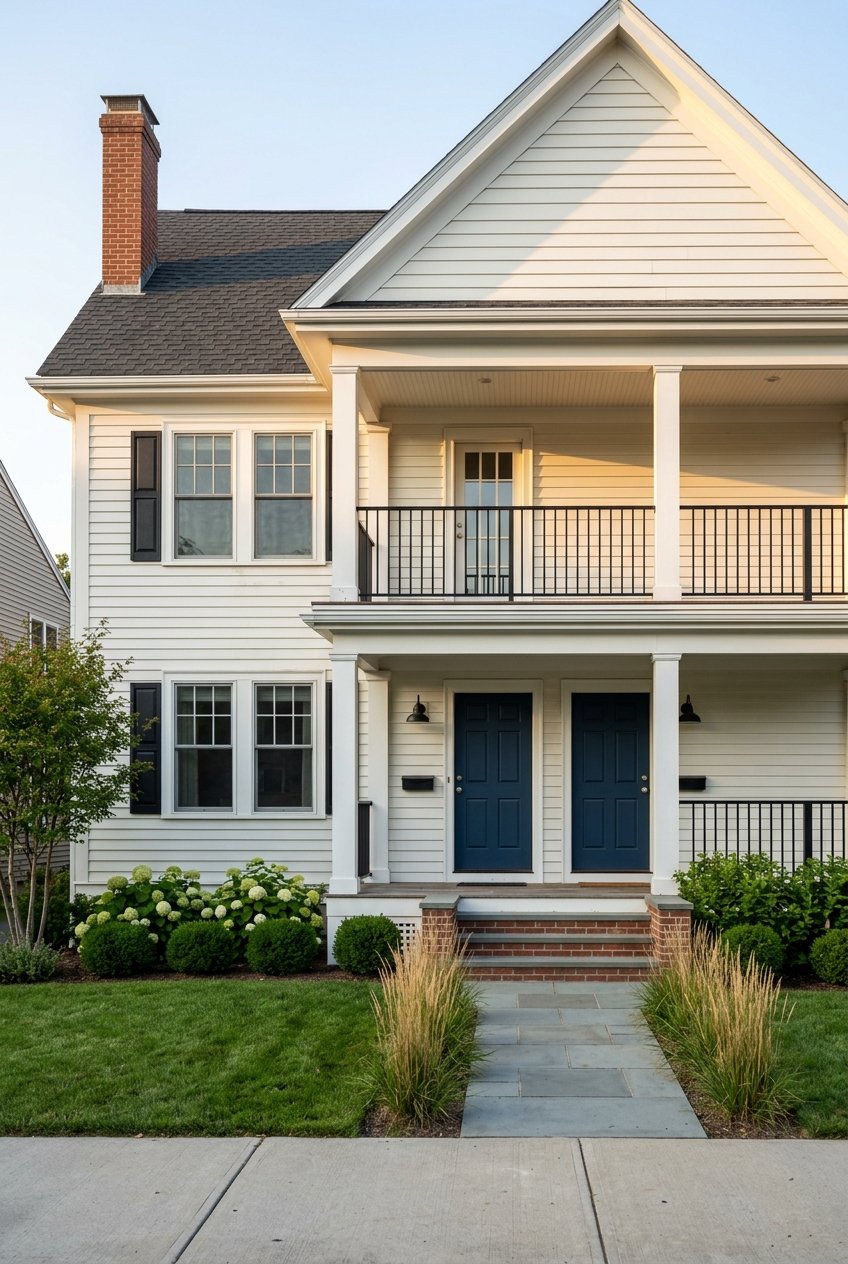
If you have ever looked at an Amesbury multi-family listing and thought, "The rent looks strong, so this must be a good deal," you are not alone. Small multifamily properties can look simple at first glance, but the numbers can shift fast once you factor in vacancy, taxes, repairs, and building age. This guide will show you how to analyze an Amesbury multi-family deal like an investor, using practical math and local context so you can make a more confident decision. Let's dive in.
Start With Income, Not The Listing Pitch
When you analyze a multi-family property, your first job is to verify the actual income. That means reviewing the rent roll before you get too attached to the listing photos, projected upside, or marketing language.
A solid rent roll helps you confirm unit-by-unit rent, occupancy, lease dates, concessions, and any delinquency. In plain terms, you want to know who is paying, how much they are paying, when leases expire, and whether the current income is truly stable.
For Amesbury buyers, this matters because local rent assumptions can vary a lot by unit type, condition, and location. A renovated two-bedroom in one building may perform very differently from an older unit that still needs updates or systems work.
What To Check On The Rent Roll
Before you underwrite a deal, make sure you can answer these questions:
- How many units are occupied today?
- What is each tenant paying now?
- Are any rents below, at, or above current market expectations?
- When do the leases end?
- Are there any unpaid balances or recurring late payments?
- Are utilities included in rent?
- Are there garages, storage, laundry, or other income sources?
This step gives you a clear starting point for in-place income. It also keeps you from pricing the property based on hoped-for rent rather than proven rent.
Use Amesbury Rent Data Carefully
Amesbury has a meaningful renter base, even though it is still mostly owner-occupied. Census QuickFacts shows an owner-occupied housing rate of 68.6%, which implies roughly 31.4% renter occupancy, along with 7,586 households and a median gross rent of $1,683.
That does not mean every unit in Amesbury should rent near that figure. Median gross rent is a broad citywide number, and it can include different unit sizes, conditions, and utility setups.
HUD's FY2026 fair market rent schedule gives another benchmark. For the Boston-Cambridge-Quincy metro area that includes Amesbury, the two-bedroom fair market rent is $2,941. HUD describes fair market rents as 40th-percentile gross-rent estimates used for housing programs, so this is best treated as a regional benchmark, not a direct replacement for a property-specific rent study.
A Better Way To Set Rent Assumptions
For an Amesbury multi-family deal, use this order of operations:
- Start with the current rent roll for actual in-place income.
- Compare that rent to the unit mix and condition of the building.
- Sanity-check the number against broader benchmarks like Amesbury's median gross rent and HUD fair market rent data.
- Adjust your projections only if you have a clear, supportable reason.
This approach helps you avoid one of the most common mistakes in small multifamily analysis: underwriting the deal to optimistic future rents that the building cannot yet support.
Build A Realistic Vacancy Assumption
No rental property performs at 100% forever. Even in a tight market, tenants move, units need turnover work, and collections can vary.
Massachusetts reports a rental vacancy rate of about 2.5%, with only 1.6% of homes available for sale or rent. That supports the case for a relatively conservative vacancy assumption, but it does not justify assuming zero vacancy in your underwriting.
For a smaller Amesbury property, vacancy risk can hit harder because one empty unit can represent a large share of total income. In a duplex, one vacancy is not a small bump. It is a major event for your cash flow.
Why Vacancy Matters More In Small Buildings
A four-unit property with one vacancy loses 25% of its occupied unit count. A duplex with one vacancy loses half. That is why your vacancy assumption should reflect the size of the building, tenant stability, lease rollover timing, and whether the property needs work before it can command stronger rents.
Model Expenses Line By Line
A good deal analysis does not stop at rent. It gets serious about expenses.
In Amesbury, property taxes deserve close attention. The city states that taxes are based on assessed value, and the FY2026 tax rate is $15.05 per $1,000 of assessed value. On a property assessed at $500,000, that works out to about $7,525 per year in taxes alone. If you want to gauge what a specific building might be assessed and priced at, a home valuation can give you a useful starting point.
That is why vague expense estimates can get you into trouble. Instead of using a loose percentage and hoping for the best, build out the operating budget line by line.
Core Expenses To Underwrite
For a small Amesbury multifamily, your stabilized operating expenses should usually include:
- Property taxes
- Insurance
- Routine repairs and maintenance
- Snow removal and landscaping
- Water and sewer
- Management or administrative costs
- Replacement reserves
These are the costs of normal, ongoing operations. They are different from one-time renovations, major deferred maintenance, or your initial rehab budget.
Understand Why Older Amesbury Housing Changes The Math
Amesbury has a meaningful share of older housing stock. Local housing-planning data shows that 35% of the city's units were built in 1939 or earlier.
That matters because older buildings can carry hidden costs that do not show up in a quick online search. Roof condition, boiler age, electrical updates, windows, siding, and the exterior envelope can all affect your cash flow and reserve planning.
The city's master plan also identifies flooding, extreme weather, coastal storm surge, and drought as resilience concerns. For an investor, that means insurance costs and reserve assumptions should be part of the initial analysis, not something you think about later.
Don't Ignore Lead Compliance
If a rental property was built before 1978, Massachusetts requires the landlord and tenant to sign and retain a Tenant Lead Law Notification and Tenant Certification. In practical terms, pre-1978 buildings deserve closer review during due diligence because lead compliance is a real transaction and operating issue.
This does not automatically make an older property a bad investment. It simply means you should underwrite it with clear eyes and enough room in your budget for compliance, maintenance, and capital needs.
Learn The Two Numbers That Matter Most
When investors compare deals, two of the most useful numbers are net operating income and cap rate.
Net operating income, or NOI, is the income left after operating expenses but before mortgage payments. Cap rate is annual NOI divided by the purchase price or value.
These numbers matter because a property can look great on gross rent and still underperform once you account for vacancy and expenses. That is especially true in Amesbury, where taxes, older-building upkeep, and compliance costs can reduce your margin quickly.
Simple Amesbury Example
Here is a hypothetical example using a duplex:
- Purchase price: $500,000
- Two units at $2,250 per month each
- Gross scheduled rent: $54,000 per year
- Vacancy assumption: 5%
- Vacancy loss: $2,700
- Effective gross income: $51,300
- Operating expenses: $17,300
- NOI: $34,000
Now divide the NOI by the purchase price:
- $34,000 ÷ $500,000 = 6.8% cap rate
That is a much more useful snapshot than gross rent alone. It tells you what the property produces before financing.
Check Cash Flow After Debt
A cap rate is important, but it is not the whole story. You also need to know what happens after your loan payment.
Using the same hypothetical duplex, assume you put 20% down and finance the rest at a 6.5% fixed rate over 30 years. Annual debt service would be about $28,443, leaving around $5,557 in annual cash flow before reserves and initial closing costs.
On $120,000 invested, that works out to a cash-on-cash return of about 4.6%. This is only a sample calculation, and real returns will vary based on your interest rate, taxes, insurance, down payment, and rehab plan. One way some buyers improve their early returns is house hacking, where you live in one unit while the others help cover the mortgage. Still, it shows why investor math has to go beyond surface-level rent.
Watch For Local Supply And Zoning Signals
Amesbury's long-term multifamily outlook is also shaped by local planning and zoning. The city identifies three compliant multifamily overlay districts tied to MBTA Communities requirements: East End Smart Growth, Gateway Village Smart Growth, and Rocky Hill Multi-Family.
For buyers, this does not give a simple yes-or-no answer on a current deal. What it does mean is that future housing supply and redevelopment potential may be influenced by where multifamily development is allowed by right. Getting to know the Amesbury neighborhood can help you connect these zoning signals to specific areas.
If you are comparing properties, it helps to think beyond today's rent roll. You also want to consider how location, zoning direction, and future inventory could affect rent growth, competition, and exit strategy.
A Practical Amesbury Deal Checklist
Before you make an offer on an Amesbury multi-family, slow the process down and run through a disciplined checklist.
Investor Review Checklist
- Verify the rent roll unit by unit
- Review occupancy, lease dates, and collections
- Build a vacancy assumption instead of using zero
- Model expenses line by line
- Estimate taxes using assessed value and the local tax rate
- Review the age and condition of major systems
- Check for pre-1978 lead-law issues
- Budget for reserves and future capital work
- Compare NOI, cap rate, and post-debt cash flow
- Consider zoning direction and future supply nearby
This kind of process helps you move from "interesting listing" to "defensible investment decision." Browsing current Amesbury homes for sale is a good way to see how these principles apply to real listings.
Why Local Guidance Still Matters
Even a strong spreadsheet has limits. The quality of your analysis depends on the quality of your assumptions, and those assumptions often come from local knowledge.
In Amesbury, a local real estate team can help you compare in-place rents to realistic market expectations, spot condition or compliance issues early, and coordinate with lenders, inspectors, and attorneys before you overcommit. That kind of guidance can protect your margin just as much as a lower purchase price. If you are newer to the process, our buyers guide walks through what to expect step by step.
If you are weighing a duplex, triple-decker, or small apartment property in Amesbury, working with an investor-savvy local team can help you pressure-test the numbers before the deal moves too far. You can also explore available properties for sale to keep an eye on new opportunities. When you are ready to review a property with a more analytical lens, connect with The Barnes Team.
FAQs
What rent should you use for an Amesbury multi-family analysis?
Start with the current rent roll for in-place income, then compare it to the unit mix, condition, Amesbury's median gross rent, and regional fair market rent benchmarks.
What is a reasonable vacancy assumption for an Amesbury rental property?
Vacancy should reflect local market conditions, lease turnover, tenant stability, and building condition. In a tight Massachusetts market, a low assumption may make sense, but zero vacancy is usually hard to defend.
Why can an Amesbury property with high gross rent still be a weak deal?
Strong gross rent does not guarantee strong NOI. Property taxes, insurance, maintenance, lead compliance, and capital costs can reduce returns quickly, especially in smaller buildings.
How do Amesbury property taxes affect multi-family underwriting?
Amesbury taxes are based on assessed value, and the FY2026 tax rate is $15.05 per $1,000 of assessed value, so taxes should be modeled directly instead of guessed.
Why does building age matter when buying an Amesbury multi-family?
Amesbury has a sizable share of older housing stock, and older buildings may require more spending on systems, repairs, reserves, insurance planning, and lead-law compliance.
How can a local Amesbury real estate team help with an investment property?
A local team can help you verify rent assumptions, compare properties, identify condition and compliance concerns, and coordinate the professionals involved in due diligence before you commit.