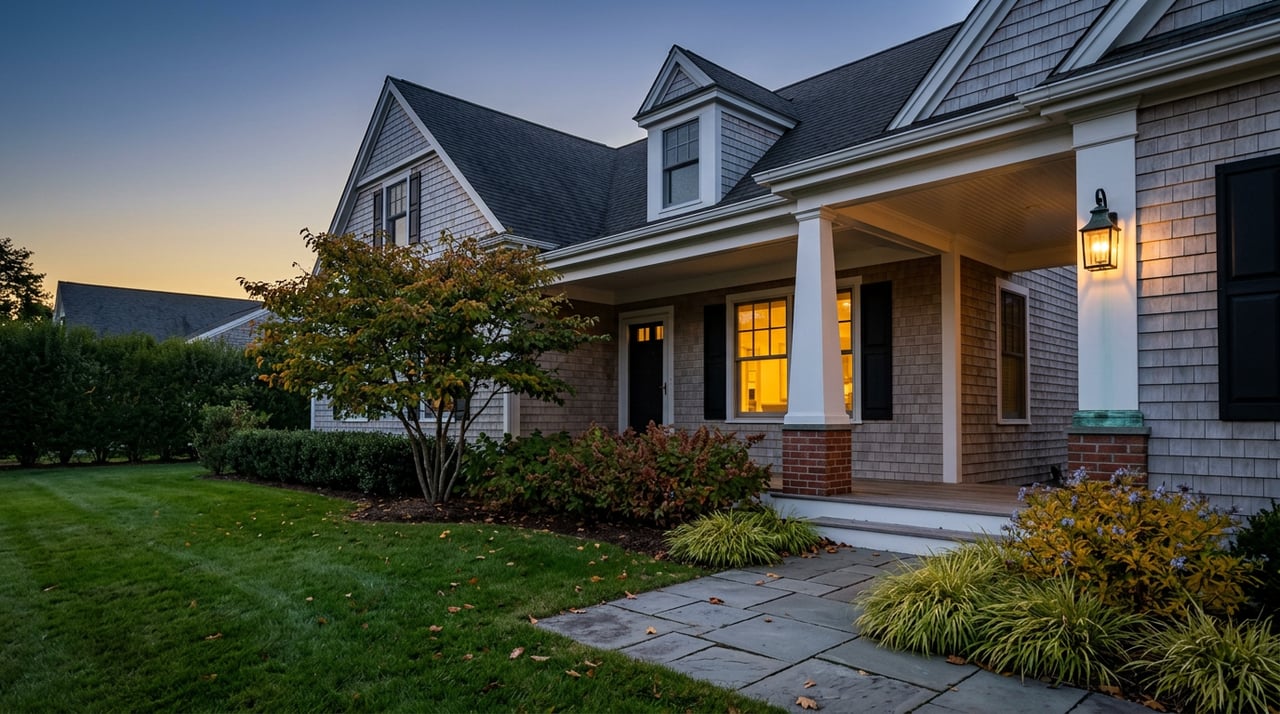
Accepted offer in Amesbury? That is a big milestone, but it is not the finish line. Once a seller says yes, the process usually shifts from negotiation to deadlines, documents, inspections, and lender updates, and that is where many buyers start to feel unsure. In this guide, you will see what typically happens next in Massachusetts, what can slow things down, and how to move from offer to keys with more confidence. Let’s dive in.
What happens after your offer is accepted
In Amesbury, an accepted offer usually kicks off several moving parts at once. Instead of waiting for closing day, you will likely be coordinating with your attorney, lender, home inspector, and other parties involved in the transaction.
Massachusetts follows a process where buyers are encouraged to consult an attorney throughout the transaction. The purchase and sale agreement is typically prepared and finalized by the parties' attorneys, so legal review is a normal part of the next phase. Working through each stage is easier when you understand the full home-buying process from start to finish.
You should also expect written disclosure of your home inspection rights at or before the first purchase contract. In Massachusetts, that first contract could be the offer to purchase or the purchase and sale agreement.
Your first few days matter most
The days right after acceptance are often the busiest. Quick action can help keep your timeline on track and reduce avoidable delays later.
Contact your lender right away
Once your lender has the required application information, it must send your Loan Estimate within three business days. That document helps you understand your expected loan terms, costs, and cash needed at closing.
You will also want to stay available for follow-up questions and document requests. Underwriting often continues in the background for weeks, and slow responses can create problems that snowball toward closing.
Loop in your attorney early
In Massachusetts, your attorney plays a key role in the purchase and sale stage. If inspection issues, contract language, or repair negotiations come up, those conversations are often handled through the attorneys.
This is one reason buyers in Amesbury should not treat the accepted offer as the final agreement. There is still important work to do before the deal becomes fully ready for closing.
Schedule the inspection quickly
Massachusetts guidance generally recommends a home inspection, and buyers typically hire an inspector soon after the offer to purchase is signed. The inspection is meant to help you better understand the property’s condition based on what is visible on the inspection date. If you want a deeper primer, this ultimate guide to home inspection before buying walks through what to expect.
It is also important to keep expectations realistic. A home inspection does not guarantee a perfect home, and it will not uncover every possible issue.
What the home inspection can change
For many buyers, the inspection is the first major checkpoint after acceptance. It can confirm that the home is in expected condition, or it can open the door to more discussion.
Inspections are limited but important
Massachusetts describes inspections as limited in scope and depth. They focus on observed conditions at the time of the inspection, which means even a strong report is not a promise that no future issue will appear.
That said, the inspection is still one of your most useful tools for understanding material defects and potential repair concerns. Knowing the most important items in a home inspection gives you information to make a more informed decision before moving deeper into the transaction.
Repair requests may lead to negotiation
If the inspection reveals issues, the next step may involve renegotiating repairs, credits, or price. In Massachusetts, these discussions often happen during the purchase and sale stage and are commonly worked through by the attorneys.
Some deals move forward with no changes. Others require a practical compromise based on the inspection findings, the contract terms, and the seller’s willingness to adjust.
You cannot be forced to waive inspection rights
Massachusetts protects a buyer’s home inspection rights. A seller or agent generally cannot condition the sale on your waiving those rights unless a legal exemption applies.
That does not mean every buyer chooses to inspect, but it does mean you should understand that the right itself is protected. If you have questions, this is another point where your attorney can help guide you.
Appraisal and underwriting usually happen together
After the inspection phase, many buyers move into the lender-heavy part of the process. This is when the appraisal, underwriting, and title-related work often overlap.
The lender orders the appraisal
For most financed purchases, the lender orders an appraisal through a licensed appraiser. The appraisal compares the home to recent sales of similar properties and helps the lender decide whether the value supports the loan amount.
If the appraised value comes in at or above the contract price, that part of the file usually moves forward as expected. If it comes in low, you may need to make a decision quickly.
What happens if the appraisal is low
A low appraisal can affect both financing and negotiation. In practical terms, your usual options are:
- Renegotiate the purchase price
- Bring more cash to closing
- Walk away if your contract allows it
This is one of the most common reasons a deal slows down after an accepted offer. A calm, data-driven review of your options can help you decide what makes sense.
Underwriting is not a one-time approval
Many buyers think loan approval is done once they are pre-approved, but full underwriting is more detailed. Your lender may ask for updated pay stubs, bank statements, letters of explanation, or other documents before issuing final approval.
The best move is simple: respond quickly and completely. Even small delays can affect the closing timeline.
The Amesbury details buyers should know
Every town has a few local logistics that matter near closing. Amesbury is no exception, and it helps to know the essentials of buying a home in Amesbury before you get to the closing table.
Recording happens through Essex South
Amesbury deeds are recorded through the Essex South Office of the Massachusetts Registry of Deeds. That recording step matters because it is part of the final transfer of ownership.
While buyers do not usually handle the recording directly, it is helpful to know where the paperwork goes and why same-day timing can matter on closing day.
Utility handoffs need planning
Amesbury buyers should plan ahead for water and sewer account changes. The city’s current billing instructions direct water and sewer payments to Pennichuck, and the utility can help with final meter reads and account questions.
This is worth confirming before closing so you understand any move-in charges or service transition details. Waiting until the last minute can make an already busy week more stressful.
Property tax timing matters too
The Amesbury Treasurer/Collector issues real estate tax bills on a quarterly schedule and mails them twice each year. That matters because taxes are often prorated at closing.
If you are reviewing your final numbers, this is one reason your closing figures may include tax adjustments. It is a normal part of the settlement process, but it should still be reviewed carefully.
The final review before closing
As closing approaches, you will move into a short but important review window. This is where details matter most.
Watch for your Closing Disclosure
Your Closing Disclosure must arrive at least three business days before closing. You should compare it with your earlier Loan Estimate and look closely at the interest rate, fees, and total cash to close.
If certain key terms change, a corrected Closing Disclosure can restart that three-business-day waiting period. That is another common reason a closing date gets pushed.
Do a final walkthrough
Before closing, it is smart to walk through the property one more time. This gives you a chance to confirm the home’s condition and verify that any agreed repairs have been completed.
It is also a good time to make sure the property is in the expected condition based on your agreement. Small surprises are easier to address before papers are signed.
Set up your move and utilities
The final days before closing are also the right time to set up utilities and organize your move. In Amesbury, that may include confirming water and sewer transition details with Pennichuck.
You should also start planning address updates with your bank, insurance providers, loan servicer, and the DMV after closing. If taxes and homeowners insurance are not escrowed, you will want a plan to budget for those future bills.
What happens on closing day
Closing day is the point where all the earlier steps come together. You will sign loan and ownership documents, and the seller will sign the deed.
The lender then wires funds to the settlement agent, and the transfer is submitted for recording. After that, the seller or a representative typically provides the keys.
Although this is the most exciting part of the process, it is still a day for careful attention. If you are wiring money, always verify wiring instructions using a trusted phone number you already know. Fake email wiring instructions are a well-known closing scam risk.
Common reasons closings get delayed
Most accepted offers in Amesbury do make it to the finish line, but delays can happen. The most common trouble spots are usually the same ones seen across Massachusetts transactions.
Here are the issues buyers run into most often:
- Inspection findings that lead to further negotiation
- Appraisals that come in below the contract price
- Underwriting conditions that take time to satisfy
- Closing document changes that reset the review period
None of these problems automatically kills a deal. They simply mean the transaction needs clear communication, quick follow-up, and realistic expectations.
How to keep your Amesbury purchase on track
The simplest way to reduce stress is to stay organized and responsive. Once your offer is accepted, timing becomes part of the negotiation.
A few smart habits can help:
- Reply to lender and attorney requests quickly
- Schedule your inspection as soon as possible
- Review estimates and closing documents carefully
- Confirm utility transfer details before closing week
- Verify any wire instructions by phone before sending funds
When you know what is coming, the process feels far more manageable. That is especially true in Massachusetts, where attorneys, contract timing, and disclosure rules all play a meaningful role after acceptance. If you are still weighing your options, it can also help to browse current Amesbury homes for sale so you know what is available in the area.
If you are buying in Amesbury, it helps to have a local team that can explain each step clearly, flag likely delay points early, and keep communication moving from accepted offer to closing table. Choosing the right real estate agent makes a real difference here. If you want steady guidance through the process, connect with The Barnes Team.
FAQs
What happens after an offer is accepted on a house in Amesbury?
After an offer is accepted in Amesbury, buyers typically move into attorney review, home inspection, lender underwriting, appraisal, purchase and sale agreement work, and final closing preparation.
When should you schedule a home inspection after an accepted offer in Massachusetts?
In Massachusetts, buyers generally hire a home inspector soon after the offer to purchase is signed, so it is best to schedule the inspection quickly.
Can a seller require you to waive a home inspection in Massachusetts?
Massachusetts generally does not allow a seller or agent to condition the sale on waiving home inspection rights unless a legal exemption applies.
What if the appraisal comes in low on an Amesbury home purchase?
If the appraisal is lower than the contract price, buyers may renegotiate the price, bring more cash to closing, or walk away if the contract allows it.
When do you receive the Closing Disclosure before closing?
Buyers must receive the Closing Disclosure at least three business days before closing, and certain major changes can restart that waiting period.
Where are Amesbury property deeds recorded?
Amesbury deeds are recorded through the Essex South Office of the Massachusetts Registry of Deeds.
What local utility should Amesbury buyers contact for water and sewer?
Amesbury buyers should plan for water and sewer account questions and final meter read details through Pennichuck.
What is a common reason an Amesbury closing gets delayed?
Common delay points include inspection issues, low appraisals, underwriting conditions, and corrected closing documents that change the review timeline.