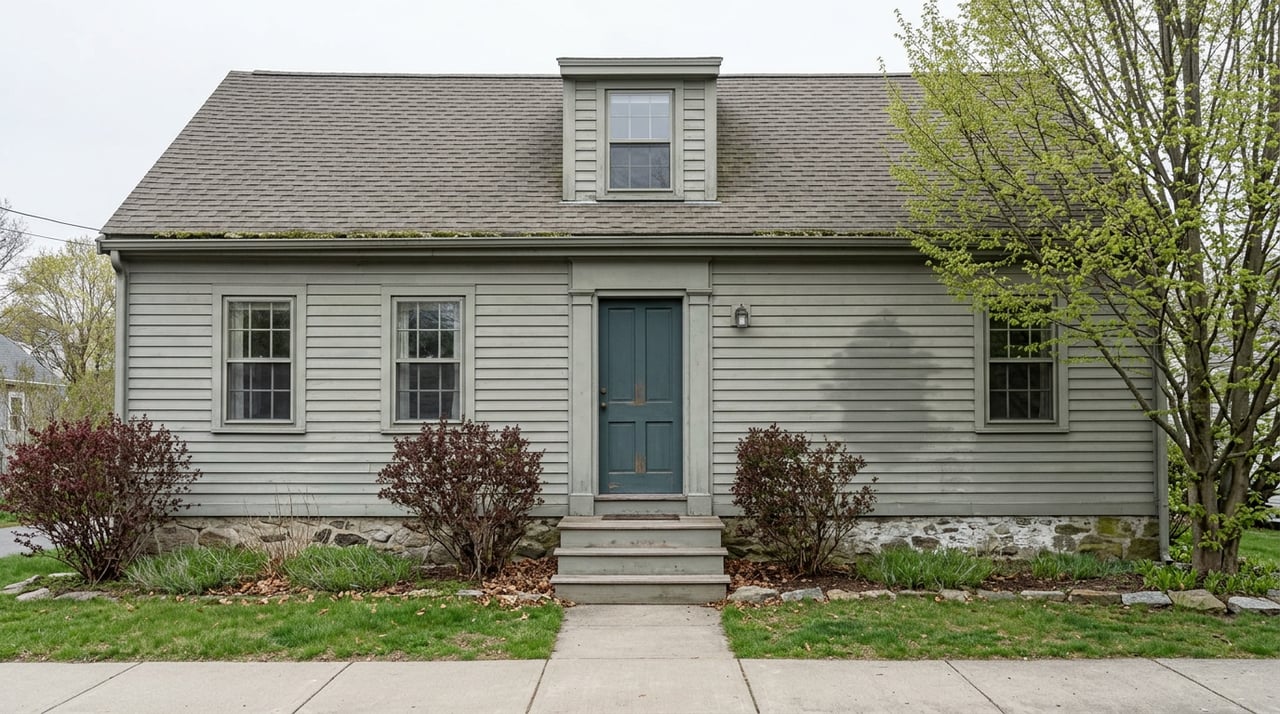
Drive down Water Street on an ordinary Tuesday afternoon and the building at number 9 looks like nothing much. A brick facade, a plain door, maybe a car or two out front. Turn onto Chestnut Street and Trades Mill reads the same way, a former mill building with windows that don't tell you what's happening behind them. You could live in Amesbury for years, pass these buildings on the way to the pharmacy or the post office, and never know that both are full of working artists on any given weekday.
Then November comes, a free trolley starts running loops through downtown, and suddenly those same buildings are packed with people. The assumption most residents make, understandably, is that this is when the art happens. It isn't. This is when the doors that are always there finally get pointed out to you.
What Two Days in November Are Actually Covering For
This year marks the 30th time the Amesbury Cultural Council has organized its city-wide Open Studios tour, scheduled for November 14 and 15, 2026. Last year's 29th annual event, held the weekend of November 8 and 9, brought together more than 700 artists and performers across roughly a dozen stops downtown, all connected by a free trolley so nobody has to hunt for parking twice.
Thirty years of the same organization running the same weekend is not a small thing for a city this size. It means the infrastructure behind the event, the studios, the collectives, the volunteer board that curates it, has had three decades to become permanent rather than seasonal. What changes every November isn't the presence of artists in Amesbury. It's the number of people who know to look.
The Buildings You Already Walk Past
The stops on the Open Studios map aren't pop-up installations built for the weekend. They're addresses where people work every week of the year, whether or not a trolley is running past them.
14 Cedar Street Studios is one of the anchor stops, and it houses more than 20 working artists under one roof, including Heather Karp, Rachel Wilcox, Julie Airoldi, and Donald Jurney, alongside Kaha Coffee and Kitchen Local sharing the same floor. It's also where the Cultural Council itself holds its monthly public meetings, on the ground floor, at 6:30 in the evening. The people who plan the citywide art weekend do their planning inside one of the actual studios.
A quick reference for a few of the year-round stops:
| Studio | Address | What You'll Find |
|---|---|---|
| 14 Cedar Street Studios | 14 Cedar Street | More than 20 resident artists, plus two working cafes on site |
| Artists' Muse Studios | 9 Water Street | A resident collective that also hosts smaller open-house evenings outside the November weekend |
| Trades Mill | 6 Chestnut Street | Studio space inside a converted mill building |
| Pond Street Art Studios | 34 Pond Street | A separate studio cluster away from the main downtown block |
| alchemy + art | 44 Main Street | A retail shop and gallery on Main Street |
| Mill 77 / Jewell Town Pottery | 77 Elm Street | A working pottery studio |
| Sincere Metal Works | Chestnut Street | A metalworking studio |
| THE BLDNG | 111 Main Street | A creative collective space |
None of these are seasonal storefronts that appear for two days and vanish. They're businesses and workspaces that happen to open their doors wider one weekend a year, which is a very different thing than existing only for that weekend.
The Part That Runs Twelve Months a Year
The Open Studios weekend gets the attention, but it sits on top of programming the Cultural Council runs continuously. The Council curates an Art at City Hall exhibit four times a year, a rotating community gallery in the lobby at 62 Friend Street that's open to professional and amateur artists alike during regular business hours. It's not juried for prestige. It's a standing invitation for local work to be seen by anyone walking in to pay a water bill.
The Council also supports Amesbury's Poet Laureate program, established in 2014 as a continuation of the legacy left by John Greenleaf Whittier, the Quaker poet and abolitionist who once called Amesbury home. The current laureate, Bryan Riley, is the fifth person to hold the position and is serving through January 2028, hosting readings and events across town during that term.
Earlier this month, the Council partnered with Khaki's Vintage Closet on a community clothing swap, with leftover pieces routed to upcycling stations for embroidery, mending, and block printing rather than going to waste. It's a small event, but it's evidence of the same pattern: this is a volunteer board that keeps finding reasons to bring people into creative spaces outside of the one weekend everyone already circles on their calendar. Quarterly drop-in critique sessions led by studio leaders from around Amesbury are already planned to start in 2027, another sign the programming is expanding rather than shrinking to fit November.
What Actually Changes on November 14 and 15
None of this means the festival weekend is just a formality. It adds real things you won't get the rest of the year. The free trolley removes the parking problem entirely. Artists' Muse Studios traditionally hosts a Friday night kickoff before the main two days, with live music and a crowd that spills out onto Water Street. Downtown businesses run their own specials timed to the foot traffic. And with more than 700 artists participating last year, you get a density of makers in one place that you simply won't find on a random Wednesday.
What you trade for that density is quiet. If you'd rather talk with one potter for ten minutes instead of nodding past a hundred booths, an off-season visit to a place like Trades Mill or Pond Street Art Studios gets you that. Hours vary by studio and change with the season, so a quick check before you head over saves a wasted trip, but the option to just show up on an ordinary Saturday is there in a way most residents never think to use.
The Weekend Is the Invitation, Not the Whole Story
Amesbury's art scene didn't appear this year and it won't disappear once the trolley stops running in November. It's been operating out of the same handful of mill buildings and Main Street storefronts for three decades, mostly unnoticed by the people who drive past them every day. The festival weekend is simply the moment the town points at what was already there and says look.
Understanding a place at this level, the buildings behind the events, the people behind the buildings, is the same instinct that shapes how The Barnes Team approaches every Amesbury listing and every buyer conversation. If you're curious what that kind of local knowledge means for your own address, get your instant home valuation and see what the numbers say.