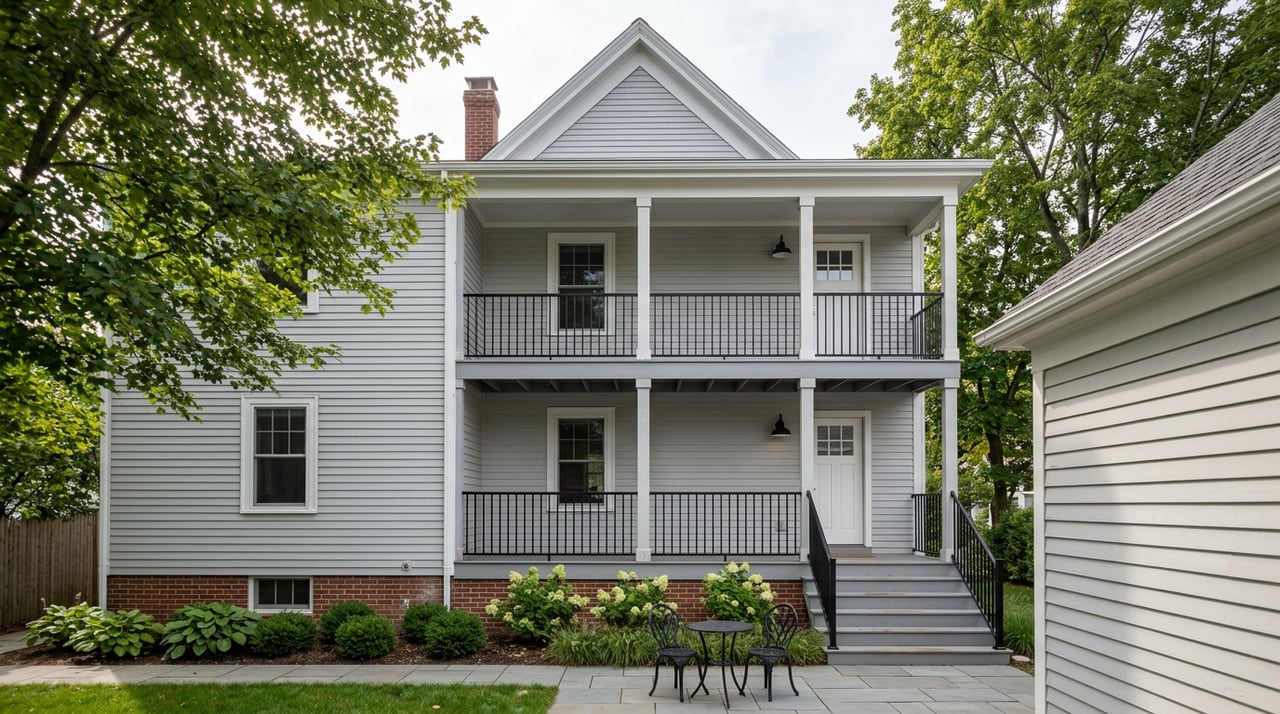
Thinking about house hacking a classic New England duplex or adding a small multi to your portfolio in Amesbury? You’re not alone. With a mix of historic buildings, steady renter demand, and approachable 2–4 unit opportunities, Amesbury can work for both first-time investors and experienced owners. In this guide, you’ll get a clear picture of local rents, vacancy norms, zoning checks, financing paths, and a simple underwriting playbook so you can move forward with confidence. Let’s dive in.
Why Amesbury works for small multis
Amesbury pairs small-city character with practical access to larger job centers. While the city does not have its own MBTA stop, many residents park-and-ride from nearby Newburyport or Haverhill stations on weekdays, which helps sustain commuter demand for rentals. You can read about the nearby Newburyport commuter rail station for context on access.
On the fundamentals, Amesbury’s population sits around 17,366 with a median household income near $103,554, an owner-occupancy rate of about 68.6 percent, and a median gross rent of $1,683. These are official federal estimates that help you benchmark demand and affordability. You can review the latest figures on U.S. Census QuickFacts for Amesbury.
The housing stock is diverse. Roughly 60 percent of homes are single-family, about 17 percent are in 2–4 unit buildings, and around 22 percent are in 5-plus unit buildings. Notably, an estimated 38 percent of units predate 1939, which means many small-multifamily options are historic conversions or older walk-ups. See the local housing data profile at Housing MA for the breakdown.
What you can buy here
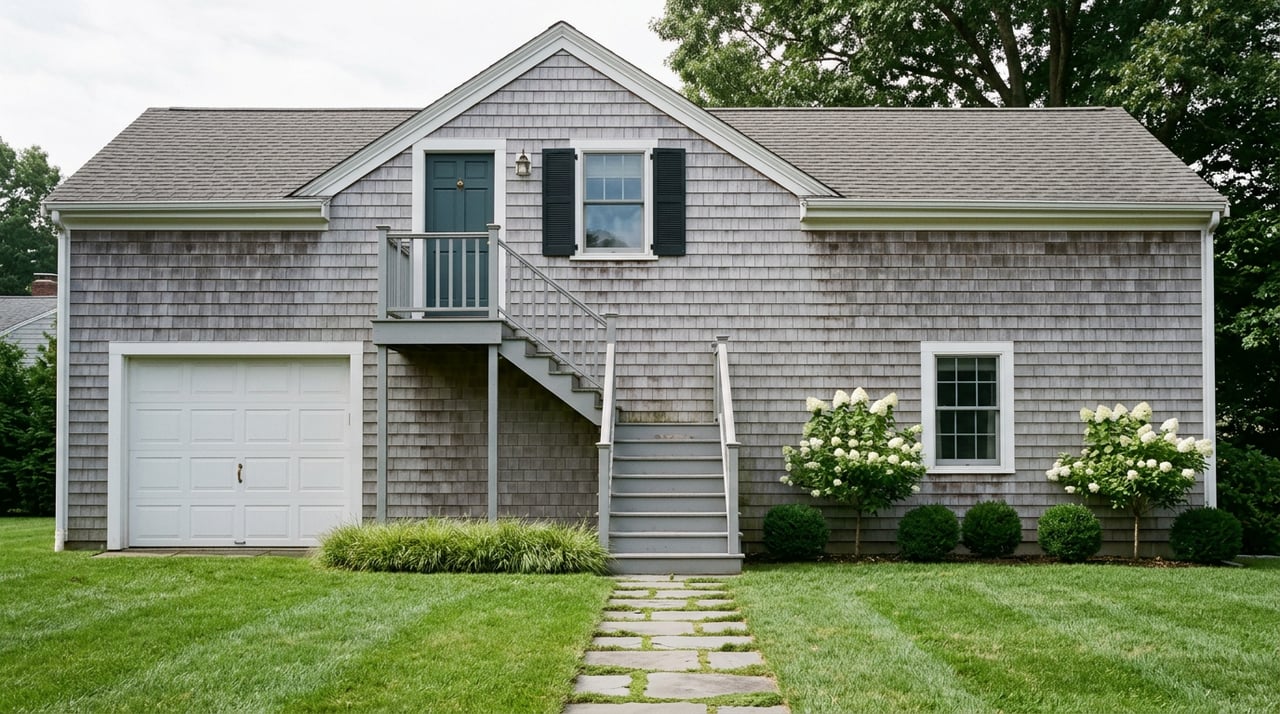
You’ll most often see duplexes and triplexes, small walk-up apartment houses, and multi-unit conversions near downtown, along the Merrimack corridor, and in established residential streets. Older buildings can offer character and flexible layouts that appeal to tenants when they’re well maintained.
If you plan to add units or reconfigure space, first confirm that the building’s existing and proposed use complies with local zoning, parking, and wastewater rules. Conversions can be feasible in the right districts, but assumptions without a zoning check can derail a deal.
Rents and vacancy: practical assumptions
- Baseline rent context: The citywide median gross rent reported by ACS is $1,683. Treat this as a conservative anchor point for long-term affordability trends. Source: U.S. Census QuickFacts.
- Asking rents by unit type: Recent listing snapshots in the area typically show 1-bedroom units around $1,300–2,300 depending on condition and location, and 2-bedrooms in the $1,900–2,600+ range. Always verify with current comparable listings and signed leases before you underwrite a specific property.
- Vacancy: A prior city housing plan cited a rental vacancy estimate near 7.3 percent using older multi-year ACS data, which is a useful reminder to avoid zero-vacancy assumptions. For underwriting today, many small-multifamily investors model 5–10 percent vacancy depending on asset quality and location. See the historical reference in the city’s Housing Production Plan and broader small-multifamily trends summarized in Arbor’s sector reports.
Expenses, DSCR, and cap rate basics
Operating expenses on older North Shore small multis have real variability. A common starting point is an operating expense ratio of 30–50 percent of gross scheduled rent, inclusive of taxes, insurance, owner-paid utilities, routine maintenance, and management. The higher end is often appropriate for older buildings or those with landlord-paid heat. Industry reporting on the small-multifamily sector, including expense and yield dynamics, is available from Arbor’s Small Multifamily Investment Trends.
For debt sizing, many lenders look for a debt service coverage ratio in the 1.15–1.30 range on small income properties. Sensitivity test your model at current rates plus 50–100 basis points, and again with 5–10 percent lower income, to see if the deal still holds. Cap rates vary by micro-location and asset quality; in North Shore secondary markets, they are typically higher than core Boston averages, so lean on very local comps when you’re setting yield targets.
Zoning and permits: avoid deal killers
Before you write an offer, confirm the parcel’s zoning district and the Table of Uses. In Amesbury, small multifamily is allowed by right in some districts and by special permit in others. Conversions from single-family to 2–3 units can be subject to special permits in residential zones, and multi-family dwellings of three or more units have district-specific rules.
- Review the city’s current Zoning Ordinance and Table of Uses.
- Check for parking minimums, setbacks, and wastewater or sewer capacity requirements that could affect a unit addition or layout change.
- If you are near the 4-to-5-unit threshold, verify how the assessor classifies the property, because tax treatment and financing paths can change.
Financing paths for 1–4 units
Owner-occupant routes can reduce your down payment and interest rate relative to pure investment loans, which is why house hacking is so common.
- FHA: You can use FHA for 1–4 unit owner-occupied purchases, often with as little as 3.5 percent down if you qualify. For 3–4 units, lenders and FHA may require a self-sufficiency test based on projected rental income. Always confirm county loan limits and current program rules with your lender. Learn more at HUD’s FHA program page.
- VA: Eligible veterans can purchase 1–4 unit owner-occupied properties with favorable terms, often with zero down. Confirm entitlement and occupancy rules with a VA-approved lender.
- Conventional owner-occupant: Some conventional products allow reduced down payments on 2–4 units for owner-occupants, and may let you count a portion of market rent for qualification. Program overlays vary by lender.
- Non-owner investor loans: Conventional and portfolio loans usually require 20–30 percent+ down and stricter credit standards. DSCR, bridge, and hard-money products can work for acquisitions or rehab plans but come with higher rates and lower leverage. For current market color on underwriting and small-balance activity, see Arbor’s sector updates.
Bottom line: program terms evolve. Verify loan limits, occupancy rules, and any self-sufficiency tests with your lender early in the process.
Due diligence for older Amesbury stock
Older New England buildings can be great long-term holds when you underwrite repairs correctly. Focus your due diligence on the items most likely to affect safety, insurability, and cash flow.
- Lead paint and deleading: For pre-1978 units, Massachusetts has specific deleading and tenant-notification rules. Compliance can be a meaningful cost if a child under six will reside in a unit. Review the Massachusetts Lead Law overview.
- Electrical: Look for knob-and-tube wiring, undersized service, or mixed panels. Many lenders require modern electrical for financing and insurance. Budget for upgrades in pre-1939 or pre-1950 buildings.
- Heating and oil tanks: Verify heating fuel type, age of boilers or furnaces, and the status of any buried or decommissioned oil tanks. Permitting and remediation can impact timelines and budgets.
- Plumbing and foundation: Assess supply line materials, waste stacks, and sewer laterals. In older homes, galvanized or clay components may require replacement. Inspect stone foundations for water intrusion or movement.
- Asbestos and historic materials: Plan for testing and licensed abatement if you will disturb suspect materials during renovations.
- Legal use and unit count: Confirm the certificate of occupancy or permit history matches the current unit count. An illegal unit can block financing and rental licensing.
A step-by-step underwriting playbook
Use a consistent process so you can compare deals side by side and avoid rosy assumptions.
Gather comps by unit type. Pull at least three recent leases or active listings per unit type within the same ZIP or nearby neighborhoods. Use MLS and local property managers for the best read on true rents.
Set conservative rents. Choose the lower quartile of current comps as your scheduled rent. This cushions your model against soft seasons or minor unit deficiencies.
Choose a vacancy factor that fits the asset. A solid, well-located building might pencil at 5 percent. For older or more average stock, use 8 percent. For tougher locations or heavy turnover, model 10 percent or higher. See broader context in Arbor’s small-multifamily trends.
Model expenses across the full stack. Start with 30–50 percent of gross scheduled rent for operating expenses, then add reserves for capital expenditures. A simple placeholder is 3–6 percent of gross or around $300–$600 per unit per month, then refine with actual quotes from local contractors.
Finance with a stress test. Underwrite at today’s rate, then again at +100 basis points and +200 basis points. Check DSCR at 1.15 and 1.25 so you know your breakeven.
Test exit cap rates. Look at values at your target cap rate, then at +100 and +200 basis points. This shows how sensitive your equity is to yield shifts at refinance or sale.
How we help you execute
You get the best outcomes when local insight and numbers travel together. As a boutique, data-forward team based in Amesbury and Newburyport, we help you validate rents with MLS leases, check zoning and permitted use before you commit, and line up quotes from local inspectors and trades so your pro forma reflects real costs. Our investor-savvy negotiation seeks credits or price adjustments when due diligence reveals issues, and our small-team model keeps you moving from offer through close without surprises.
Ready to talk through a target property or build a buy box for Amesbury multis? Connect with The Barnes Team to start a focused search and underwriting plan.
FAQs
Is Amesbury a good place to house hack for 2–4 units?
- Yes, the city has a meaningful share of 2–4 unit stock, commuter-friendly access via nearby MBTA stations, and a median gross rent of $1,683, which supports conservative underwriting when you live in one unit and rent the others.
What rents should I assume for a duplex in Amesbury?
- Use conservative assumptions: start near the ACS median of $1,683 for context, then refine by unit type, condition, and location with recent comps; many 1-bedrooms list in the $1,300–2,300 range and 2-bedrooms in the $1,900–2,600+ range.
How do I confirm if a multi’s unit count is legal in Amesbury?
- Check the zoning district and permitted uses, then verify the certificate of occupancy and permit history match the current layout; use the city’s Zoning Ordinance as a starting point and confirm with the building department.
What down payment do I need if I will live in a 3–4 unit?
- FHA often allows low down payments for 1–4 unit owner-occupied purchases, but 3–4 units may require a self-sufficiency test; confirm current loan limits and rules with your lender using HUD’s FHA resources.
What vacancy and expense rates should I use for older small multis?
- A conservative baseline is 5–10 percent vacancy and a 30–50 percent operating expense ratio, with added reserves for capital items; sector context is regularly summarized in Arbor’s small-multifamily reports.